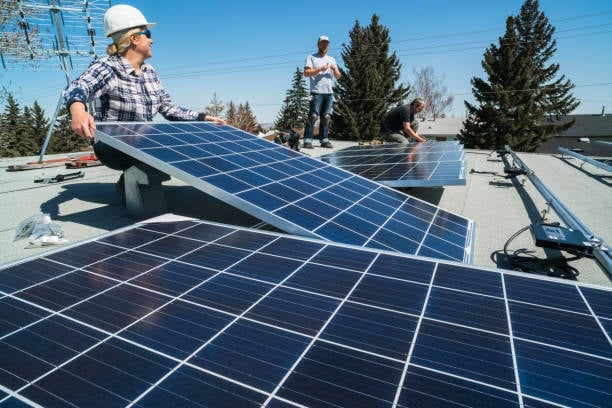
Switching to solar power for your home or business is a big decision. In 2026, it is also a timely one. Phoenix homeowners and business owners are staring at rising utility costs, hotter summers, and more pressure to make smart long-term upgrades. Solar checks a lot of boxes, but only if the system is designed and installed the right way.
That is where your solar contractor comes in.
A great contractor can help you lower bills, protect your roof, navigate permits, and build a system that actually performs in Arizona heat. A bad one can leave you with delays, change orders, weak production, and a headache you did not sign up for.
I have seen people focus so hard on panel brands or price that they forget the most important part of the project is the company installing it. That is a mistake. If you are comparing solar companies in Phoenix, this guide will help you separate the pros from the pretenders and make a decision you will feel good about years from now.
Featured Snippet: What should you look for in a solar contractor in Phoenix?
If you want a quick answer, here it is.
When hiring a solar contractor in Phoenix, look for:
- An active Arizona ROC license such as R-11, C-11, or CR-11
- Proof of liability insurance and workers’ compensation
- In-house electricians or experienced installation crews
- Clear equipment details, not vague language
- Real local experience with APS and SRP interconnection
- Knowledge of Phoenix heat, dust, and flat-roof challenges
- Honest pricing with no “zero cost” gimmicks
- Strong warranties, monitoring, and maintenance support
If a contractor cannot clearly explain these things, keep shopping.
The Basics
Before you hire solar installers, it helps to understand what their basic responsibilities actually are. This is not just a sales appointment followed by some panels on your roof. A real solar contractor is responsible for design, code compliance, electrical work, project coordination, and long-term system performance.
Licensing and Registration
Commercial and residential solar installation companies in Arizona must be registered with the Arizona Registrar of Contractors, also known as the ROC.
When researching providers, make sure they hold an active and valid:
- R-11 Residential Electrical Contractor
- C-11 Electrical Contractor
- CR-11 Dual Residential and Commercial Electrical Contractor
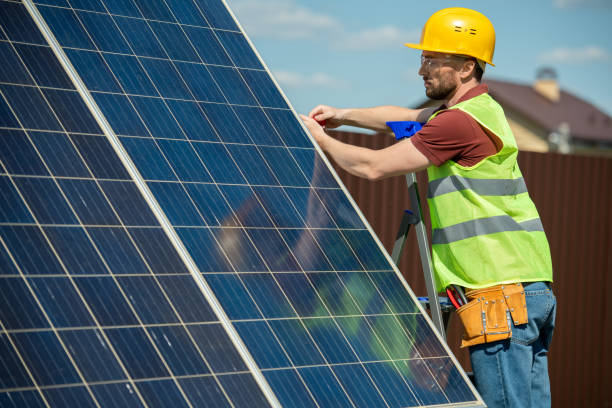
These are not just legal boxes to check. They are proof that the contractor is qualified to perform the electrical work required for a solar installation in Arizona. Roofing work may involve additional classifications, but the electrical license is non-negotiable.
A solid contractor should never get awkward when you ask for their license number. In fact, the good ones usually volunteer it.
In-House Personnel
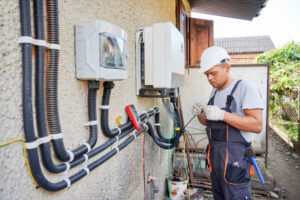
Ask whether the company uses in-house electricians and installers or outsources the actual work. There is nothing automatically wrong with subcontractors, but you want clarity.
Companies with in-house teams often have better quality control, better communication, and fewer “that’s not our department” moments when issues pop up. And in construction, something always pops up.
Coverage for Liability
Installing rooftop solar on a house or a commercial building means moving expensive equipment, working at height, and tying into electrical systems that can absolutely hurt someone if handled carelessly.
Make sure your contractor carries:
- General liability insurance
- Workers’ compensation insurance
This protects both you and the crew. If they dance around the question, that is not a great sign.
Maintenance and Monitoring
A good solar company does not disappear once the panels are installed.
Look for a contractor that offers:
- Scheduled maintenance or at least maintenance guidance
- System monitoring
- Clear warranty support
- Help with troubleshooting if production drops
If you are spending real money on solar, you deserve a long-term relationship, not a one-and-done install.
What Makes a Contractor Worth Hiring
The best solar contractors in Phoenix do more than install equipment. They think through the whole project like a system, because that is what it is.
A worthwhile contractor should:
- Review your roof, electrical panel, and annual energy usage
- Explain what equipment makes sense for your home or business
- Size the system based on actual usage, not sales goals
- Handle permits and inspections
- Coordinate interconnection with APS or SRP
- Talk honestly about ROI, payback period, and battery options
That last one matters. If someone promises magic savings without seeing your bill or understanding your utility plan, that is not expertise. That is salesmanship.
Key Arizona Solar Contractor Licenses for PV Systems
In Arizona, there is no single “solar-only” contractor license. For photovoltaic systems, the main qualification is an electrical contractor license through the Arizona ROC.
The most relevant licenses for solar in Phoenix are:
- R-11 Residential Electrical Contractor
Used for single-family homes and smaller multifamily properties - C-11 Electrical Contractor
Covers broader electrical work and can apply to commercial projects - CR-11 Dual Residential and Commercial Electrical Contractor
Gives the contractor flexibility to work on both residential and commercial jobs
Roofing-related work may involve a roofing classification, but the electrical portion of the solar system must be handled under the proper electrical license.
Licensed contractors also need experience, bonding, insurance, and successful exam completion. In other words, they had to earn that credential.
Watch Out for Red Flags
Like any serious business relationship, hiring a solar EPC or installation company requires both caution and trust. The trick is knowing when trust is deserved.
Here are some warning signs that should make you pause.
Claims of “Zero” Costs
Some contractors go all in on the phrase “zero cost solar.” Let’s be honest. That phrase gets attention because it sounds like free lunch.
Solar installation is a major investment. There are labor costs, equipment costs, permitting costs, engineering costs, and utility coordination costs. If someone is not upfront about that, they are either hiding the real numbers or dressing up a financing structure in glitter.
That does not mean financing is bad. It just means transparency matters.
Pressure Tactics
Solar contractors should give you a detailed proposal, explain the process, and allow time for review.
If a salesperson says the discount expires tonight, or the “special program” disappears tomorrow, take a breath. Real solar projects do not work like late-night infomercials.
A trustworthy contractor wants an informed customer, not a rushed one.
Vague Information About Hardware
Your contract should clearly identify the equipment you are buying.
Watch out for phrases like:
- “300W high-efficiency panels”
- “premium inverter package”
- “top-tier battery”
That is not enough. You should know the exact brand and model of the:
- Panels
- Inverters
- Batteries, if included
- Racking system
If you are paying for a premium system, you deserve specifics.
Selecting the Hardware
The best solar equipment for Arizona is not always the flashiest or most expensive. It is the equipment that handles our climate well and fits your site.
Panel Thermal Coefficient
As temperatures rise, solar panels lose output. That is normal. The question is how much.
The thermal coefficient tells you how much power is lost per degree Celsius above standard testing temperature. The number is negative. The closer it is to zero, the better the panel performs in heat.
In Phoenix, where summer rooftop temperatures can get brutal, this number matters more than most people realize.
A panel with a coefficient closer to -0.25% per °C will generally outperform one at -0.40% per °C in our desert climate.
Longevity of Panels
Panels slowly lose output over time. The good ones do it gracefully.
Look for panels that can retain at least 80 percent of original output after 20 to 25 years. Many premium panels now exceed that benchmark.
That long-term output is where your savings come from. A cheap panel that degrades too fast is not a bargain. It is a shortcut to disappointment.
Why Phoenix Is One of the Best Places in America for Solar in 2026
If there were ever a city built for solar, Phoenix would be near the top of the list.
We get:
- More than 300 sunny days a year
- Roughly 6.5 to 7.5 peak sun hours per day
- Strong annual production compared to most U.S. markets
That means a properly designed solar system here can generate serious value.
Even with changes to federal incentives in 2026, local homeowners and business owners are still seeing strong returns because utility rates keep climbing and the sun keeps showing up for work every day.
For a lot of properties in Phoenix, a well-designed system pays for itself in roughly 8 to 12 years, then keeps producing for decades after that. That is not hype. That is just math paired with good design.
2026 Solar Costs and ROI in Phoenix: What You’ll Actually Pay
Let’s talk numbers, because at some point every solar conversation gets there.
As of April 2026, average installed solar cost in Phoenix is around $2.09 per watt according to the source content you provided. That puts a typical 14 kW residential or small commercial system around $29,635 before incentives.
Of course, every project is different. Roof complexity, electrical upgrades, battery storage, and equipment choices all affect final pricing.
Real numbers for Phoenix properties
Typical expectations include:
- Payback period: about 8 to 11 years for a cash purchase
- 25-year savings: roughly $44,000 to $65,000 depending on usage and utility plan
- Annual production: around 17,000 to 18,000 kWh for a 14 kW system in strong sun conditions
Commercial solar panel installations projects often see better economics because they use more electricity during daylight hours.
If a contractor cannot walk you through expected production, annual savings, and realistic payback, they are not ready to earn your trust.
Arizona Solar Incentives Still Available in 2026
Even with changing federal rules, Arizona still offers meaningful solar value.
Depending on the project and tax situation, benefits may include:
- Arizona Solar Tax Credit: up to $1,000
- Sales tax exemption: no state sales tax on qualifying solar equipment
- Property tax exemption: solar-added value typically does not increase property taxes
For many property owners, the biggest financial value still comes from reduced utility bills over time, not just one-time credits.
And one important point: incentives and utility programs generally require compliant, permitted installations. Unlicensed work can put those benefits at risk.
Battery Storage Is a Bigger Deal Than It Used to Be
This is especially true in Phoenix.
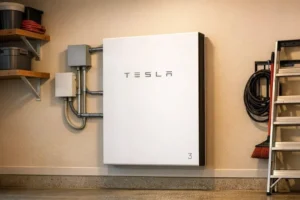
With APS and SRP time-of-use plans and net billing structures, batteries help you:
- Store solar energy for peak evening rates
- Use your own power instead of exporting it for lower credits
- Maintain some backup capability during outages
A few years ago, batteries felt optional to many homeowners. Now, they are part of the serious conversation.
If your contractor does not bring up battery storage at all, ask why.
The Solar Installation Process in Phoenix
A professional solar contractor should be able to explain the process in plain English.
Here is the typical flow:
- Site assessment
Roof review, shade analysis, electrical check, and utility bill review - System design
Equipment selection, production estimates, and financial proposal - Permitting
Submission to the City of Phoenix or local jurisdiction, often using SolarAPP+ when eligible - Installation
Usually one to three days for a standard residential job, longer for commercial projects - Utility interconnection
Coordination with APS or SRP - Inspection and activation
Final approvals and turning the system on
Most projects take around four to eight weeks from signed contract to activation, though larger or more complex jobs can take longer.
Questions Every Phoenix Homeowner or Business Owner Should Ask Before Signing
Before hiring a solar contractor in Phoenix, ask these:
- How many systems have you installed in the Phoenix metro area?
- Do you use in-house crews or subcontractors?
- What panel and inverter brands are you recommending, and why?
- How do you account for Arizona heat, dust, and monsoon conditions?
- How will you model my APS or SRP bill savings?
- What happens if the system underperforms?
- What kind of monitoring and warranty support do you provide?
The best contractors do not get annoyed by smart questions. They welcome them.
Be Smart From the Beginning
Solar installation is only rewarding if you take the time to vet your contractor before signing anything.
That is true for homeowners. It is doubly true for businesses, where the stakes, energy loads, and ROI expectations are higher.
If you take anything from this guide, let it be this: a solar project is not just about buying panels. It is about building a long-term energy asset. That asset deserves careful planning, honest numbers, and a contractor who knows Phoenix inside and out.
As Benjamin Franklin famously said, “An investment in knowledge pays the best interest” (Benjamin Franklin). That applies here more than ever.
Call your local licensed solar contractor, ask sharp questions, and get a real site assessment before moving forward.
FAQ
Usually not in Arizona. Solar-added property value tends to be exempt from property tax increases.
A gentle rinse in the early morning or evening can help maintain efficiency. Avoid harsh scrubbing and cleaning during peak heat.
Yes. Flat roofs are common in Phoenix, and many systems use tilted racking to improve sun angle and reduce wind issues.
Tier-1 panels usually carry at least a 25-year product and performance warranty.
Yes. Phoenix still offers excellent solar production, strong long-term savings, and Arizona-specific tax benefits that improve value.
In many Phoenix homes and businesses, yes. Batteries help offset peak rates and improve resilience during outages.
Use the Arizona ROC search portal to verify that the license is active and appropriate for electrical work.
Because solar in Phoenix has its own playbook. Heat, dust, flat roofs, monsoons, APS, SRP, and permitting all matter. A contractor who understands those details is far more likely to build you a system that performs the way it should.
If you want, I can also turn this into an even more polished pillar-style article with stronger local SEO targeting for terms like solar contractor Phoenix, solar installers Phoenix AZ, and best solar company Phoenix, plus add schema-ready FAQs for featured snippets.