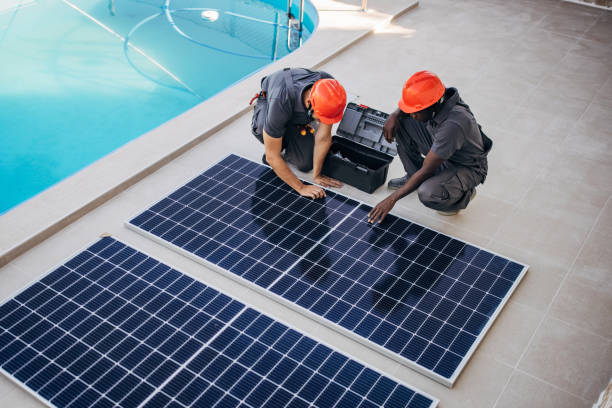
Solar panels get most of the attention. They’re the part everyone sees, they’re easy to compare on a spec sheet, and they’re usually front and center in a sales presentation.
But panels alone don’t make a good solar system.
The real quality of a solar installation is determined much earlier, during system design. Before a module reaches the roof, someone needs to understand the structure, electrical service, energy usage, shade, utility requirements, equipment compatibility, future loads, and the realities of operating that equipment in Arizona.
Skip that work, and even premium solar panels can end up attached to a system that underperforms.
For homeowners and businesses comparing solar installers in Phoenix, the engineering process is one of the best ways to separate a thoughtful electrical contractor from a company primarily focused on making the sale.
Featured Snippet: Why Is Proper Solar System Design Important?
Proper solar system design determines how safely and efficiently a solar array will operate for decades. A good design considers roof structure, shading, Phoenix heat, electrical capacity, inverter sizing, wiring, permits, APS or SRP requirements, maintenance access, and future energy needs. Better engineering means stronger production, fewer surprises, and better long-term value.
Solar Design Starts With the Property, Not a Panel Count
One of the easiest mistakes in solar is starting with, “How many panels can we fit?”
That’s backwards.
A properly designed system starts with the property and asks a different set of questions:
- How much electricity does the property actually use?
- When does it use that power?
- Which roof areas receive useful sunlight?
- Can the structure safely support the array?
- What electrical service is already in place?
- Is the property served by APS or SRP?
- Are batteries or EV chargers likely to be added later?
- Where should inverters, disconnects, and conduit be located?
- How will technicians safely service the system years from now?
Those answers determine the system.
The panel count comes later.
Site-Specific Engineering Protects the Structure
Every roof is different, even when two buildings look nearly identical from the street.
Rafter or truss spacing can differ. Roofing materials vary. One building may have newer underlayment while another has years of Arizona sun exposure behind it. Commercial properties add another layer of complexity with HVAC units, parapet walls, roof drains, skylights, vents, and mechanical equipment competing for space.
A qualified solar panel installer evaluates those conditions before finalizing the array.
Structural Factors That Matter
The assessment should consider:
- Roof age and overall condition
- Roofing material
- Framing or truss configuration
- Attachment locations
- Existing structural loads
- Added solar and racking weight
- Wind exposure
- Roof penetrations
- Drainage
- Required access pathways
This is not just paperwork for a permit.
If the structural design is wrong, the electrical layout often needs to change too. Moving a row of modules can alter string lengths, conduit routes, voltage-drop calculations, equipment locations, and material requirements.
Finding that out during engineering is manageable. Finding it out after installers have opened the roof gets expensive quickly.
Arizona Conditions Change the Design
Phoenix is an outstanding market for solar because of its abundant sunshine.
It is also a demanding place for electrical equipment.
A generic system designed around average national conditions can miss some very Arizona-specific realities.
Extreme Heat Affects Performance
Solar panels need sunlight, but hotter panels do not necessarily produce more electricity.
As module temperature increases, electrical output generally decreases according to the panel’s temperature coefficient. Inverters, conductors, breakers, and other electrical components are also affected by high ambient temperatures.
Phoenix solar design should account for:
- Panel temperature characteristics
- Airflow underneath rooftop arrays
- High-temperature conductor ampacity
- Conduit exposure
- Inverter ventilation
- Equipment placement
- Electrical enclosure temperatures
This is especially relevant on commercial roofs, where dark roofing materials can become considerably hotter than the surrounding air.
A system that looks excellent in design software can lose some of its expected production if Arizona heat is treated as an afterthought.
Monsoon Winds Matter Too
Solar arrays also need to remain secure through years of monsoon weather.
Structural engineering accounts for wind uplift and the forces placed on:
- Rails
- Fasteners
- Roof attachments
- Canopy structures
- Ground-mount foundations
- Module clamps
The exact requirements depend on the project location, building, exposure, system type, and code adopted by the local authority.
That is another reason Watt Masters does not believe in cookie-cutter solar design. What works on one property may not belong on the next one.
Year-Round Shading Analysis Matters More Than People Think
Shade can be sneaky.
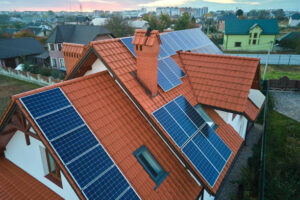
A roof may look completely open at noon in June, yet a parapet, neighboring structure, chimney, palm tree, or rooftop unit can cast meaningful shadows when the winter sun sits lower in the sky.
Good solar design evaluates shading across the year, not during one site visit.
Modern modeling can help estimate the sun’s path and identify where production losses are likely to occur.
That information helps designers decide:
- Which roof areas are worth using
- Which areas should be avoided
- How modules should be grouped
- Whether optimizers or microinverters make sense
- How strings should be configured
- Whether adding another panel actually adds meaningful production
There is a point where squeezing more panels onto a roof stops being smart.
A smaller array placed intelligently can outperform a larger array with poor exposure.
That is the kind of decision experienced solar installers in Phoenix should be helping property owners make.
Production Modeling Should Be Realistic, Not Aspirational
Solar proposals usually include projected annual energy production.
Those numbers matter because they influence projected savings, payback periods, and financing decisions.
The estimate should account for more than the panel manufacturer’s laboratory rating.
Realistic modeling considers:
- Orientation
- Tilt
- Shade
- Seasonal sun position
- Temperature
- Inverter efficiency
- Wiring losses
- Soiling
- Equipment characteristics
- System degradation over time
Phoenix has an excellent solar resource, but abundant sunshine does not excuse optimistic math.
If one proposal promises dramatically more production from essentially the same roof and system size, ask why.
A good contractor should be able to explain the assumptions.
Electrical Design Determines How Well the Energy Moves
Once solar energy is generated, it has to go somewhere.
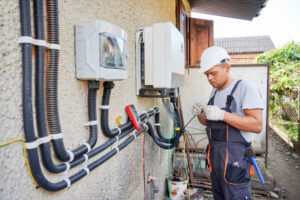
Panels produce direct current electricity. That power must travel through the system, be converted to alternating current by an inverter, and integrate safely with the property’s existing electrical infrastructure.
That requires much more than connecting wires.
Electrical design addresses:
- Module string configuration
- Inverter sizing
- Conductor sizing
- Voltage
- Current
- Circuit protection
- Disconnects
- Grounding and bonding
- Rapid shutdown
- Main electrical service
- Point of interconnection
- Monitoring equipment
Commercial projects may also involve switchboards, transformers, three-phase systems, sophisticated energy controls, and larger utility interconnections.
Inverter Sizing Is a Design Decision, Not a Guess
The inverter is responsible for converting DC solar power into usable AC electricity.
Too little inverter capacity can lead to excessive clipping during high production periods. Poorly matched strings can also affect system behavior and equipment performance.
Bigger is not automatically better either.
The correct inverter strategy depends on:
- Array size
- Module characteristics
- Voltage ranges
- Orientation
- Shade
- Expected temperatures
- Utility requirements
- Battery plans
- Equipment compatibility
The goal is not to select the most expensive inverter.
The goal is to select the right inverter for the system around it.
Long Wire Runs Need Extra Attention
Voltage drop is easy to overlook until the property is large.
Consider a ground-mounted array hundreds of feet from the electrical room, or a commercial rooftop where the inverter and main switchgear sit on opposite ends of the facility.
Electricity traveling through conductors experiences resistance.
Proper design calculates conductor size around:
- Current
- Distance
- Temperature
- Voltage
- Conduit conditions
- Acceptable voltage drop
Trying to save money by undersizing conductors can cost far more through reduced performance, excessive heat, inspection problems, or corrective work.
Sometimes the least exciting parts of a solar project are the most important.
A beautifully bent conduit run and properly sized wire will never appear in an advertisement, but they matter every sunny afternoon for years.
Existing Electrical Capacity Must Be Verified Early
Another common design mistake is assuming the property’s electrical panel can simply accept solar.
Sometimes it can.
Sometimes it cannot.
Designers need to verify:
- Main breaker size
- Busbar rating
- Available breaker space
- Service capacity
- Existing electrical loads
- Equipment condition
- Proposed solar output
- Short-circuit ratings where applicable
- Interconnection method
Depending on those findings, the project may require:
- A main breaker change
- New distribution equipment
- A service-panel upgrade
- A dedicated solar panelboard
- A different interconnection method
That affects project cost and timeline.
A property owner deserves to know about it before signing off on the final design, not when installation is halfway complete.
Solar Design Should Consider APS or SRP From the Beginning
Phoenix-area properties are commonly served by APS or SRP, and the two utilities do not operate identical solar programs.
A properly engineered system considers the serving utility before final sizing and interconnection decisions are made.
Utility considerations may affect:
- System sizing
- Exported energy
- Rate-plan economics
- Interconnection requirements
- Metering
- Battery value
- Required documentation
- Point of interconnection
This becomes particularly important for businesses with complex load profiles or homeowners considering energy storage.
A system should be designed around how the customer actually buys and uses electricity, not just around how much roof space exists. Contact our solar experts today.
Local Permitting Requirements Belong in the Design
Solar engineering also has to satisfy the local Authority Having Jurisdiction, commonly called the AHJ.
Permit requirements may involve:
- Structural calculations
- Site plans
- Roof layouts
- Electrical one-line diagrams
- Fire access pathways
- Equipment specifications
- Conductor sizing
- Rapid shutdown
- Grounding details
- Disconnect locations
- Placards and labeling
Commercial systems and complex residential projects generally require more detailed review than straightforward residential rooftops.
Some qualifying residential projects may be eligible for streamlined permitting through SolarAPP+, depending on the project and jurisdiction requirements.
Regardless of the permitting route, one principle remains the same:
Clean engineering moves faster than sloppy engineering.
A complete plan set that matches the actual project is much less likely to generate corrections, redesigns, or inspection surprises.
Designing for Firefighter and Service Access
Putting panels everywhere they physically fit is not good solar design.
Roofs still need to function as roofs.
Depending on the property and applicable code requirements, designers may need to preserve access around:
- Roof edges
- Ridges
- Mechanical equipment
- Electrical equipment
- Skylights
- Vents
- Roof drains
- Emergency access areas
Future roofing work should also be considered.
If every square inch is packed with modules, routine service becomes harder and more expensive for everyone who needs access later.
That includes:
- Solar technicians
- Electricians
- HVAC contractors
- Roofers
- Fire personnel
Good design respects the building as a whole.
Batteries, Generators, and Solar Must Work Together
Many customers now want more than solar.
They want resilience.
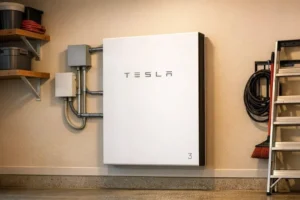
That may include battery storage, backup generators, or both.
Integrating multiple power sources requires thoughtful electrical engineering because each component behaves differently during normal operation and an outage.
The design needs to consider:
- Which loads receive backup power
- Transfer equipment
- Solar inverter behavior during an outage
- Battery capacity
- Generator interaction
- Load management
- Electrical panel configuration
For healthcare facilities, manufacturing plants, data operations, and other critical facilities, the stakes are even higher.
Poor integration can lead to inverter shutdowns, breaker trips, equipment conflicts, or a backup system that does not perform as expected when the grid actually fails.
That is why solar should never be designed in isolation from the rest of the electrical system.
Future-Proofing Solar for EV Charging
Energy use changes.
A homeowner who installs solar today may buy two electric vehicles five years from now.
A commercial property might add fleet charging, expand production, install new HVAC equipment, or increase operating hours.
Adding EV charging stations can substantially alter the property’s electrical load.
Good system design asks about future plans before deciding:
- System size
- Panel capacity
- Conduit routes
- Equipment locations
- Inverter selection
- Battery readiness
You do not necessarily need to build every future upgrade today.
Sometimes simply installing the right conduit or leaving room in the electrical design can prevent a much more expensive retrofit later.
Commercial Solar Design Must Reflect How the Business Operates
Commercial projects deserve special attention because two businesses with the same square footage may use electricity in completely different ways.
A school may have heavy daytime loads and low weekend use.
A warehouse may operate around the clock.
A refrigerated facility has persistent cooling demand.
A manufacturing plant may have large motors and equipment cycling throughout the day.
Retail properties may experience predictable afternoon and evening demand.
Commercial solar engineering should review:
- Historical electricity usage
- Interval load data where available
- Peak demand
- Operating hours
- Seasonal demand
- Future expansion
- Tenant requirements
- Utility rate structure
That information helps determine how much solar actually makes sense.
The goal is not the biggest array.
The goal is the best-performing investment.
Common Solar Design Shortcuts That Cause Problems Later
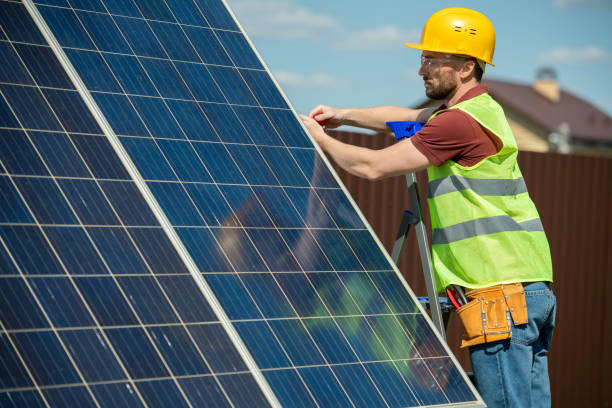
Most solar problems do not begin when something breaks.
They begin months earlier when someone decides a design detail is “close enough.”
Shortcut 1: Copying a Standard Layout
A generic layout ignores actual roof structure, shade, equipment, and access.
Potential result: Poor production, code conflicts, or structural redesign.
Shortcut 2: Maximizing Panel Count at All Costs
More panels do not automatically equal more value.
Potential result: Shading losses, inaccessible roof areas, or excessive export production.
Shortcut 3: Guessing at Conduit Routes
A route that appears simple on a plan may conflict with building structure, tenant areas, or equipment.
Potential result: Longer wire runs, more material, greater voltage drop, and change orders.
Shortcut 4: Ignoring Phoenix Heat
Electrical components designed without appropriate temperature considerations may operate closer to their limits.
Potential result: Reduced output, accelerated aging, or nuisance electrical problems.
Shortcut 5: Assuming Electrical Capacity
Never assume the existing panel can accept the proposed solar system.
Potential result: Last-minute panel upgrades and unexpected costs.
Shortcut 6: Forgetting Future Loads
A system designed around today’s consumption may become undersized after EVs, batteries, or building expansion.
Potential result: Expensive retrofit work.
All six are preventable.
That is the value of engineering before installation.
Proper Design Reduces Change Orders
No construction project is completely immune to surprises.
Existing buildings have a habit of revealing things nobody expected.
But thorough engineering dramatically reduces avoidable surprises.
A detailed pre-construction process can identify:
- Structural limitations
- Roof deterioration
- Electrical upgrades
- Long conductor runs
- Utility constraints
- Shading problems
- Access conflicts
- Equipment placement challenges
Every issue resolved on paper is one less problem field crews have to solve while labor, lifts, electricians, and equipment are already on site.
That is good engineering.
It is also good budgeting.
Proper Design Protects Long-Term ROI
Solar return on investment depends on more than the purchase price.
A well-designed system can provide value through:
- Higher usable energy production
- Lower electrical losses
- Fewer installation changes
- Faster permitting
- Fewer failed inspections
- Better equipment longevity
- Easier maintenance
- Less downtime
A cheaply designed system may still produce electricity.
The question is how much, how reliably, and at what cost over the next 20 or 25 years.
That is why Watt Masters views solar as an electrical asset, not simply a collection of panels.
Maintenance Begins With Design
One of the most overlooked benefits of good solar design is easier maintenance.
Eventually, someone will need access to the system.
An inverter may need service. A connection may need inspection. A roofer may need to reach an area underneath the array. A monitoring issue may need troubleshooting.
Service-friendly layouts provide access to:
- Inverters
- Junction boxes
- Disconnects
- Conduit
- Roof equipment
- Shutoff devices
On commercial projects, logical equipment placement can substantially reduce downtime during commercial solar repair.
You can usually tell when a system was designed with maintenance in mind.
And you can definitely tell when it was not.
How to Evaluate a Solar Installer’s Design Process
Before choosing a solar company, ask how the system will actually be engineered.
Good questions include:
About the Property
- Will someone inspect the property before final design?
- How will roof condition be evaluated?
- How will structural capacity be verified?
- Will shading be modeled throughout the year?
About Production
- What assumptions are used in the production estimate?
- Are temperature and shading losses included?
- How is system size determined?
About the Electrical System
- Will the existing service equipment be physically inspected?
- Who calculates conductor sizing and voltage drop?
- Is the design reviewed by experienced electricians?
- Will battery or EV charging plans be considered?
About Permitting
- Who prepares the permit drawings?
- Who responds to plan corrections?
- Does the company routinely work with the local jurisdiction?
About Utilities
- Does the team understand both APS and SRP requirements?
- Who handles the interconnection application?
- How does the utility rate structure affect system sizing?
About Installation
- Are the installers in-house?
- Who approves field changes?
- How is quality control handled?
If a company cannot explain its design process without retreating into sales jargon, keep asking questions.
Why In-House Electrical Experience Matters
Solar installation is electrical construction.
That point sometimes gets lost because panels are so visible.
The system ultimately connects directly to the property’s electrical infrastructure, which means design decisions affect:
- Circuit protection
- Service equipment
- Conductors
- Inverters
- Disconnects
- Grounding
- Utility interconnection
- Backup equipment
At Watt Masters, that electrical background informs the design before construction begins.
Field electricians understand what engineers are trying to accomplish, and design decisions can be evaluated against what actually works on a roof, in an electrical room, or across a large commercial property.
That feedback loop is valuable.
A blueprint should be buildable, not merely technically correct.
Building a Foundation for Reliable Solar Energy
The success of a top rated solar installer is decided long before installation day.
Good engineering answers difficult questions early, when they are easier and less expensive to solve.
It evaluates the building, electrical infrastructure, solar resource, utility, Arizona climate, future energy needs, service access, and project economics as parts of one system.
That is how solar becomes a dependable long-term asset instead of an ongoing list of corrections.
When comparing solar installers in Phoenix, look beyond panel brands and headline pricing. Ask who is engineering the system, how thoroughly the property will be evaluated, and whether experienced electrical professionals are involved before the first panel is installed.
Watt Masters has served Arizona since 1999, bringing decades of electrical experience to residential and commercial solar projects.
If you are considering solar for your home or business, contact Watt Masters for a straightforward site assessment and a system designed around the property you actually own.
Frequently Asked Questions
Yes. A complete, code-compliant plan set that accurately represents the property and equipment can reduce avoidable plan-review corrections. Approval time still depends on the jurisdiction, project complexity, and permit workload.
Proper design helps ensure equipment is installed within manufacturer specifications, which is important for long-term reliability and warranty compliance. Warranty terms vary by manufacturer, so they should always be reviewed for the specific equipment selected.
Yes. An experienced installer can consider roof age before installation and plan module layout and access with future service in mind. If the roof is near the end of its useful life, completing roof work before solar may make more financial sense.
Shade-aware design can place modules away from problematic areas and use appropriate string layouts, microinverters, or optimizers where beneficial. The right solution depends on the array and shading pattern.
High temperatures can reduce module output and affect conductor ampacity and electrical equipment. Proper engineering accounts for Arizona temperatures when selecting components, calculating wire sizes, planning airflow, and locating inverters.
The sun sits at different angles throughout the year. An area with little shade during summer may experience more shading in winter. Annual modeling creates a more realistic picture of expected production.
It can. Complete, coordinated plans are less likely to require corrections for mismatched equipment, structural information, electrical details, or code requirements. Some qualifying residential projects may also use streamlined SolarAPP+ permitting.
Designers can evaluate future electrical demand, panel capacity, conduit routes, and solar production so EV charging can be added with less rework later.
Not always. Future loads should be estimated carefully, and utility rules may influence system sizing. An experienced solar installer can model anticipated EV charging, building expansion, batteries, or electrification before deciding whether additional capacity makes sense.
Yes, but the system must be engineered so the generator, solar inverter, transfer equipment, battery storage, and building loads operate safely under normal and outage conditions.
Undersized conductors can create excessive voltage drop, heat, and electrical-code problems. Proper sizing considers current, run length, ambient temperature, conduit conditions, and applicable code requirements.
Clipping occurs when the solar array produces more DC power than the inverter can convert into AC power at that moment. Some clipping may be intentional in a properly optimized design, but excessive clipping can reduce expected production.
No. The best system balances energy consumption, available space, shade, utility economics, electrical capacity, budget, and future needs. Filling every available square foot with panels does not automatically create the highest return.
Solar power must safely connect to the existing electrical infrastructure. Verifying panel and service capacity early identifies whether upgrades or a different interconnection method will be needed before construction begins.