If you’re planning to stay in your Phoenix home for the next 10, 15, or even 20 years, you’re probably thinking beyond cosmetic upgrades. You’re thinking about protecting your investment, lowering monthly expenses, and making life a little more predictable.
For many Arizona homeowners, electricity becomes one of the biggest long-term costs. Between relentless summer heat, rising utility rates, and heavy air conditioning use, those bills can feel like a second mortgage.
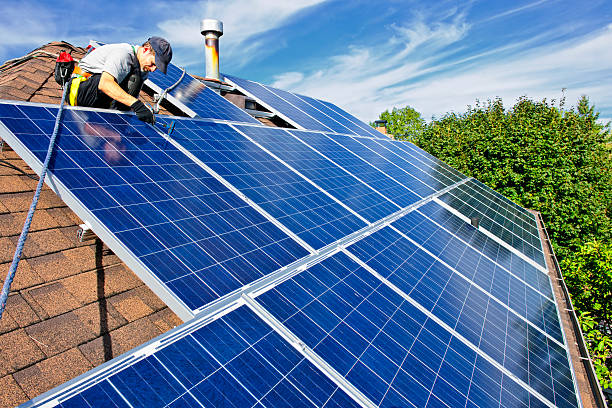
That’s one reason more families are turning to solar panel installation in Phoenix. A properly designed system can help stabilize energy costs for decades while giving you more control over your home’s future.
As Warren Buffett famously said, “Price is what you pay. Value is what you get.” (Warren Buffett). Long-term homeowners understand that better than anyone.
Featured Snippet: Is Solar Worth It If You’re Staying in Your Phoenix Home Long-Term?
Yes. Homeowners planning to stay in Phoenix for 10 years or more often see the greatest return from solar. Arizona’s abundant sunshine, combined with rising utility costs and federal tax incentives, can make solar a smart long-term investment. Many homeowners recover their costs within 8-14 years and enjoy decades of lower electricity bills afterward.
Why Long-Term Homeowners in Phoenix Benefit Most from Solar
Homeownership is a marathon, not a sprint.
When you’re planting roots in Phoenix, major improvements should focus on durability, efficiency, and reducing future expenses. Solar checks all three boxes.
A residential solar system can:
- Offset rising utility rates
- Provide predictable energy costs
- Deliver 25-30 years of production
- Increase home value
- Pair with battery storage and EV charging
- Improve energy independence
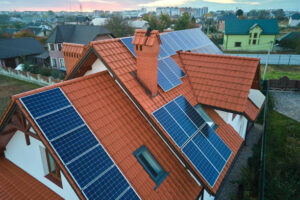
Arizona’s climate makes solar especially attractive. With more than 300 sunny days each year and approximately 6.5 peak sun hours daily, Phoenix remains one of the best places in America for solar production.
I’ve spoken with countless homeowners who say their biggest surprise wasn’t just saving money. It was the peace of mind that came from opening their summer power bills without feeling anxious.
Getting Energy Costs Under Control
Utility companies continue raising rates due to infrastructure upgrades, fuel costs, and growing energy demand.
Unfortunately, those increases usually arrive right when Phoenix homeowners are using the most electricity.
Air conditioners work overtime during 110-degree summers. That means expensive monthly bills when household budgets need stability most.
Solar changes that equation.
Instead of depending entirely on the grid, you’re producing your own power.
With proper sizing, homeowners can dramatically reduce their yearly electricity expenses and enjoy predictable costs for decades.
Long-Term Savings Example
Many Phoenix homeowners experience:
- Payback periods of 8-14 years
- Average payback around 11 years
- Total lifetime savings of $40,000-$65,000+
- Lower monthly utility expenses
- Essentially free electricity after payoff
That’s hard to ignore.
Why Phoenix’s Climate Demands a Specialized Solar Contractor
Not every installer understands Arizona.
Phoenix’s intense UV exposure, monsoon season, dust storms, and extreme temperatures create unique challenges that many out-of-state companies underestimate.
We’ve seen systems suffer from:
- Thermal expansion causing loose connections
- Cracked seals from poor workmanship
- Dust buildup reducing production
- Improper mounting vulnerable to monsoon winds
- Heat-related efficiency losses
Pro Tip
Ask contractors about temperature coefficients.
Panels rated better than -0.30%/°C perform significantly better in Phoenix heat.
Quality systems designed for desert climates often outperform national averages despite summer temperatures.
Why In-House Installation Crews Matter
This is one of those things homeowners rarely think about until something goes wrong.
Many companies sell solar, then subcontract the installation to whoever is available.
That often creates finger-pointing when problems arise.
Expertise
Local Phoenix crews understand:
- Arizona building codes
- Heat expansion concerns
- Wind-load requirements
- Proper roof flashing techniques
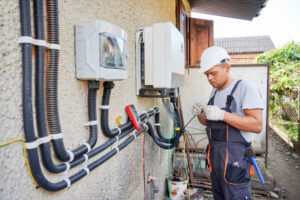
- Main panel upgrades
- APS and SRP interconnection requirements
Accountability
With in-house crews, one company handles:
- Design
- Engineering
- Permitting
- Installation
- Utility coordination
- Service and support
No blaming subcontractors.
No disappearing installers.
Just one team responsible for the entire project.
Step-by-Step Solar Installation Process in Phoenix
1. Site Assessment
Professionals evaluate:
- Roof condition
- Shading
- Energy usage
- Future needs
2. Engineering and Permitting
Your contractor handles:
- Maricopa County permits
- Utility applications
- Fire department requirements
- Structural engineering
3. Installation
Most residential systems are completed in one to three days.
Options may include:
- Battery storage
- EV chargers
- Main panel upgrades
4. Inspection and Permission to Operate
APS or SRP approves the system before activation.
This process usually takes two to six weeks.
5. Monitoring and Support
Monitoring apps help homeowners track performance and identify issues early.
Future-Proofing Your Investment
Life changes.
Kids grow up.
People start working from home.
Electric vehicles become part of the family.
Your energy system should evolve with you.
Solar Battery Backup in Phoenix
Summer storms and grid outages happen.
Battery storage keeps essentials running, including:
- Refrigerators
- Medical equipment
- Security systems
- Wi-Fi
- Lights
Battery systems also help maximize savings under Arizona’s net billing structure.
Popular options include:
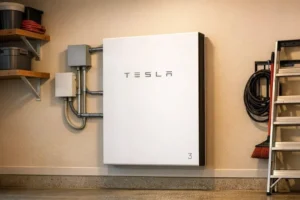
- Tesla Powerwall
- Enphase IQ Batteries
- FranklinWH systems
EV Charger Integration
More homeowners are adding EV chargers.
Planning solar and EV charging together creates a more efficient setup and lowers transportation costs.
After all, driving on sunshine sounds pretty good.
Solar Maintenance and Long-Term Performance
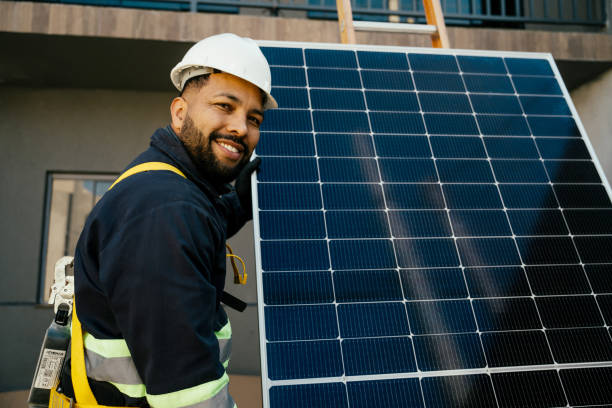
One of the biggest myths about solar is that it’s high maintenance.
Honestly, most systems require very little attention.
Recommended Maintenance
- Professional cleaning once or twice annually
- Annual inspections
- Monitoring app reviews
- Inverter checks
Typical cleaning costs range from $150-$350 per visit.
Expected Lifespan
Most systems last:
- 25-30+ years
- 80-90% production after 25 years
- Decades with minimal upkeep
Phoenix dust is real, but regular maintenance keeps production high.
Home Value, Resale, and HOA Considerations
Solar isn’t just about lower bills.
Owned systems often increase property value by 3-5%.
Think of it like a kitchen renovation that pays you back every month.
HOA Tips
Arizona solar laws protect homeowners from unreasonable restrictions.
Still, many HOAs require:
- Architectural approval
- Flush-mounted panels
- Specific placement guidelines
Experienced local contractors help navigate these requirements.
One thing to keep in mind:
Owned systems generally transfer easier than leased systems when selling your home.
Current Incentives and ROI for 2026
Solar economics remain attractive.
Federal Incentives
Homeowners may qualify for:
- Federal Investment Tax Credit
- Battery storage incentives
Always confirm current eligibility with your tax professional.
Arizona Incentives
Benefits include:
- Up to $1,000 Arizona tax credit
- Sales tax exemptions
- Property tax exemptions
Net Billing
APS and SRP compensate excess production at rates below retail.
That’s why batteries and proper system sizing have become increasingly important.
Questions to Ask Before Hiring a Solar Company
Ask every contractor:
- What are my projected savings over 25 years?
- Do you use in-house crews?
- Who handles warranties?
- Will my roof need repairs first?
- What battery options do you recommend?
- How do you model production in Phoenix heat?
- Can I add EV charging later?
The answers tell you a lot.
Take the Next Step
Solar isn’t just another home improvement.
It’s a long-term utility investment.
When designed correctly by an experienced solar contractor for commercial projects, a solar system can provide decades of predictable energy costs, greater independence, and peace of mind.
Choose a contractor that values transparency, quality workmanship, and long-term support.
Because if you’re planning to stay in your Phoenix home for years to come, your energy strategy should be built with the same mindset.
Frequently Asked Questions
Not when installed by licensed professionals using proper flashing and sealing techniques. Reputable contractors assume responsibility for roof penetrations.
Arizona no longer uses traditional net metering. Batteries and proper system sizing help maximize self-consumption and improve economics.
Usually only slightly. Notify your insurance provider after installation so the system is covered.
If your roof is more than 15 years old or showing signs of wear, replacing it before installation often makes financial sense.
Most homeowners schedule professional cleaning once or twice per year and rely on monitoring apps for ongoing performance tracking.
Yes. Owned systems commonly increase home values by 3-5%, making them attractive to future buyers.
Arizona protects solar access rights, but HOAs may require design approvals. Experienced installers help simplify the process.
For many homeowners, yes. Batteries provide outage protection, improve self-consumption, and maximize savings under APS and SRP rate structures.
Most premium panels last 25-30 years or longer and still retain 80-90% of their original output after 25 years.