One Phoenix solar company may quote a price that looks reasonable. Another comes in thousands lower. A third promises faster installation, bigger savings, and “premium” equipment without clearly explaining what any of that means.
It’s tempting to choose the lowest number and move on. Solar, however, isn’t a commodity you can judge by price alone. It’s a power-generating system that must be engineered around your roof, electrical service, utility rate plan, energy use, and local building requirements.
A cheap installation that leaks, fails inspection, underproduces, or leaves you without service support isn’t a bargain. It’s an expensive problem with panels attached.
Featured Snippet: Why Does Solar Installer Experience Matter?
An experienced solar panel installer understands structural engineering, electrical safety, Phoenix heat, roof protection, local permits, and APS or SRP interconnection requirements. That expertise helps prevent leaks, failed inspections, poor production, warranty problems, and costly repairs. The lowest quote may save money initially, but quality installation usually creates better long-term value.
Solar Is a Long-Term Electrical Investment
Even if you’re new to solar, the upfront cost should tell you something important: this decision deserves careful evaluation.
A solar array is expected to operate for decades. It must remain securely attached to your property, produce electricity safely, withstand Arizona weather, and work with your existing electrical system.
Treating that project like a simple equipment purchase can lead to:
- Underperforming panels
- Electrical faults
- Roof leaks
- Failed inspections
- Voided or difficult warranty claims
- Delayed utility approval
- Expensive corrective work
- Lower long-term return on investment
A seasoned solar installer in Phoenix approaches the project as an electrical and structural system first. Winning the bid matters, but doing the job correctly matters more.
Why Low-Bid Solar Installers Can Cost More Later
Most experienced contractors have seen some version of this story.
A homeowner chooses a quote that is considerably lower than the others. The installation goes up quickly. A few months later, production drops or a roof leak appears. The sales company blames the subcontractor, the subcontractor is difficult to reach, and the homeowner discovers that labor isn’t covered the way they assumed.
The original savings disappear quickly.
Low pricing doesn’t automatically mean poor workmanship. A fair, efficient contractor may simply run a lean operation. The concern is a bid that is dramatically lower without a clear explanation.
Common places where low-bid installers may cut costs include:
- Site assessment and structural review
- Roof flashing and waterproofing
- Equipment quality
- Wire management and conduit work
- System monitoring
- Permit preparation
- Quality control
- Post-installation support
- Workmanship warranty coverage
The better question isn’t, “Who gave me the cheapest quote?”
It’s, “What am I actually getting for this price, and who will be accountable if something goes wrong?”
The Site Assessment: Where Quality Solar Begins
A reliable solar system begins long before the first panel reaches the roof.
Experienced Phoenix solar installers evaluate the property in person whenever practical. Satellite imagery and design software are useful, but they cannot fully reveal roof condition, attic structure, aging electrical equipment, cracked tiles, or obstacles hidden from an aerial view.
A thorough solar site assessment should consider:
- Roof age and condition
- Roofing material
- Structural capacity
- Shade throughout the year
- Existing electrical service
- Main panel capacity
- Meter and inverter location
- Conduit routes
- Current and future electricity use
- Battery or EV charger plans
- Access for installation and maintenance
This early work prevents surprises later. In our opinion, that alone is one of the clearest differences between an experienced electrical contractor and a sales-first solar operation.
Engineering for Roof Loads and Arizona Wind
Solar panels add weight and introduce new forces to a roof. The system must distribute those loads properly across the structure.
An experienced contractor evaluates whether the rafters, trusses, roof deck, and attachment points can support the array. Local wind requirements also affect the type, placement, and spacing of mounting hardware.
That becomes especially important during Arizona monsoon season. Panels create a large surface area, and poor attachment design can place unnecessary stress on the roof.
Proper engineering considers:
- Dead load from panels and racking
- Wind uplift
- Attachment spacing
- Roof edge zones
- Load-bearing structural members
- Local building codes
- Manufacturer installation requirements
This is not a place for guesswork.
Maximizing Sun Exposure Without Overselling Production
Phoenix has excellent solar potential, but good sunlight doesn’t excuse poor design.
Chimneys, parapet walls, roof peaks, palm trees, neighboring buildings, and HVAC equipment can create shade at different times of day and throughout the year.
Experienced solar installers use tools such as aerial imagery, shade analysis, and three-dimensional modeling to estimate how the system will perform over time. The goal is not simply to fit the largest possible number of panels on the roof.
The goal is to build a system that produces useful electricity efficiently.
A credible production estimate should account for:
- Roof direction and pitch
- Seasonal sun angles
- Shade
- Panel temperature
- Equipment efficiency
- Wiring losses
- Dust and soiling
- Inverter limitations
- Expected system degradation
Be cautious of a proposal that shows unusually optimistic production without explaining the assumptions behind it.
Designing for Phoenix Heat
Solar panels produce electricity from sunlight, but extreme heat can reduce their efficiency.
Panel specifications include a temperature coefficient that estimates how much output declines as cell temperature rises above standard testing conditions. Experienced installers account for this in production modeling instead of basing savings claims only on the panel’s laboratory rating.
Good Phoenix solar design may include:
- Adequate airflow beneath rooftop panels
- Equipment selected for desert conditions
- Thoughtful inverter placement
- Realistic heat-loss assumptions
- Proper conductor and conduit sizing
- Components rated for high temperatures and UV exposure
Inverters and electrical equipment also need ventilation. Mounting sensitive equipment in an unnecessarily hot or poorly ventilated location can shorten its life or reduce performance.
A contractor who understands Arizona conditions should be able to explain these decisions in plain English.
Dust, Haboobs, and Monsoon Weather
Phoenix solar systems deal with more than heat.
Dust storms can coat panels and temporarily reduce production. Monsoon winds test racking, roof attachments, flashing, and exposed conduit. Heavy rain can reveal a roof penetration that wasn’t sealed correctly.
An experienced installer plans for those realities.
That may include:
- Racking engineered for local wind conditions
- UV-resistant materials
- Secure wire management
- Properly supported conduit
- Accessible panel layouts
- Professional roof flashing
- Realistic assumptions about dust and cleaning
A layer of dust does not mean the system has failed. Production commonly rebounds after rain or cleaning. Still, monitoring matters because it helps distinguish ordinary soiling from an inverter, wiring, or panel issue.
Roof Integrity Matters as Much as Energy Production
A solar array can produce beautifully and still be a bad installation if it damages the roof.
Tile roofs are common throughout the Phoenix area, and they require careful handling. Tiles may need to be lifted, removed, replaced, or modified while installers locate structural members and install attachments.
Rushing this work can result in cracked tiles, poorly seated replacements, damaged underlayment, or water intrusion.
Experienced crews use flashing and waterproofing methods appropriate for the specific roof type. They also inspect the roof before installation to determine whether repairs or replacement should happen first.
Should an Older Roof Be Replaced Before Solar?
Sometimes.
If the roof is nearing the end of its service life, installing solar first may create unnecessary future costs. Removing and reinstalling an array so the roof can be replaced is possible, but it adds labor and inconvenience.
A trustworthy contractor won’t ignore an aging roof just to close the solar sale. They’ll raise the concern before installation and help you weigh the options.
That kind of honesty may delay a project, but it usually saves the property owner trouble later.
Workmanship Warranties Need Careful Review
Most solar panels include a long manufacturer warranty. That warranty generally covers the product or its performance, not every part of the installation.
It may not cover:
- Roof leaks
- Damaged flashing
- Failed conduit supports
- Loose electrical connections
- Labor to diagnose a problem
- Removal and reinstallation costs
- Damage caused by improper installation
That is why the installer’s workmanship warranty matters.
Ask:
- How long does the workmanship warranty last?
- Does it cover roof penetrations?
- Is labor included?
- Who handles manufacturer claims?
- Is the warranty transferable?
- What happens if the installer goes out of business?
- Are service response times addressed?
- Are there exclusions for subcontracted work?
A warranty is only valuable if the company behind it is still available and willing to honor it.
In-House Crews vs. Subcontracted Installers
Subcontracting is not automatically bad. Many skilled tradespeople work as subcontractors and produce excellent results.
The issue is accountability.
Some solar sales companies hand projects to different installation crews depending on availability and price. That can create inconsistent workmanship, communication gaps, and confusion when service is needed.
A company with experienced in-house electrical crews has more direct control over:
- Training
- Safety procedures
- Installation standards
- Scheduling
- Quality inspections
- Communication
- Corrective work
- Long-term service
At Watt Masters, the electrical side of the project isn’t an afterthought. It is the foundation of the system.
Clean conduit, secure connections, thoughtful equipment placement, and code-compliant integration may not look exciting in a sales presentation, but those details are what keep a solar system working safely.
Permitting Is Part of the Installation
Connecting a private solar system to a public electrical grid involves municipal permits, inspections, and utility approval.
An experienced solar panel installer understands that the paperwork is not separate from the project. It is part of the project.
The contractor may need to coordinate:
- Structural plans
- Electrical plans
- Equipment specifications
- Roof attachment details
- Fire access requirements
- City or county permits
- Inspection scheduling
- Utility interconnection documents
- Meter changes
- Permission to Operate
Incomplete plans can lead to corrections, resubmissions, delays, and additional costs.
APS itself advises customers to compare multiple solar companies, verify licensing and insurance, review roof requirements, and expect the installer to handle site evaluation, permits, the solar application, installation, inspections, and Permission to Operate. (aps)
APS and SRP Are Not the Same
Phoenix-area properties may be served by APS or SRP. Their solar programs, rate plans, application procedures, and compensation for exported energy are not interchangeable.
A system that makes financial sense under one utility structure may need to be designed differently under the other.
An experienced local installer should evaluate:
- Which utility serves the property
- Current rate plan
- Hourly energy use
- Peak demand
- Export compensation
- System size
- Battery value
- Future electrical loads
- Utility application requirements
This is particularly important for customers considering battery storage. If exported solar energy is worth less than electricity purchased during expensive hours, storing and using more of your own power may improve the economics.
Utility rates and solar programs change. Avoid any contractor who relies on old assumptions or makes savings promises without reviewing your current bill.
Utility Approval Takes Time
Once a solar system is installed, it generally cannot be activated for normal grid-connected operation until the utility grants Permission to Operate.
The process may include:
- Interconnection application
- Utility review
- Installation
- Municipal inspection
- Final documentation
- Meter work
- Permission to Operate
Delays can happen, particularly if documents are incomplete or inspections reveal corrections.
A contractor cannot control every utility timeline. They can control whether the application is accurate, whether the plans meet requirements, and whether someone follows up when the project stalls.
Be wary of anyone guaranteeing an unrealistically fast activation date.
Electrical Work Is Where Solar Quality Shows
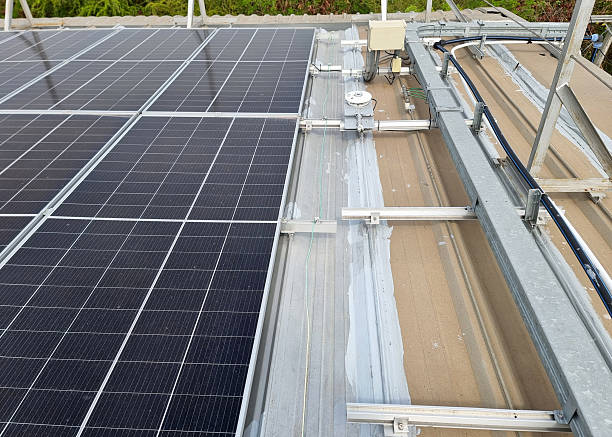
Panels are the most visible part of a solar system. Much of the important work happens underneath and beside them.
Experienced solar electricians pay attention to:
- Conductor sizing
- Voltage drop
- Grounding and bonding
- Overcurrent protection
- Disconnect placement
- Inverter connections
- Main panel capacity
- Conduit support
- Wire protection
- Labeling
- Monitoring setup
- Code-required clearances
These details affect safety, performance, inspections, and future serviceability.
A tidy installation is not just about appearance. Clean routing and labeling make troubleshooting easier years later when an inverter needs service, a battery is added, or the property changes hands.
Planning for Batteries, EV Chargers, and Future Loads
A good solar design should account for where the property is headed, not just how it uses energy today.
Your future may include:
- A home EV charger
- Battery backup
- An electric water heater
- A heat pump
- A pool
- An addition
- New commercial equipment
- Expanded operating hours
Adding these loads later can change the ideal system size and electrical design.
Not every project needs to install everything at once. Still, planning for future conduit routes, panel capacity, inverter compatibility, and equipment space may prevent expensive rework.
Ask your installer what can be added later and what should be addressed during the initial installation.
How to Compare Solar Quotes in Phoenix
Price matters. It simply should not be the only factor.
Request itemized proposals and compare the same categories across every bid.
Compare These Details
- Total system size
- Estimated annual production
- Panel manufacturer and model
- Inverter type and manufacturer
- Racking system
- Monitoring platform
- Roof work
- Main panel upgrades
- Permit and utility fees
- Battery readiness
- Workmanship warranty
- Product warranties
- Installation crew
- Project timeline
- Financing cost
- Cash price
- Estimated savings assumptions
Red Flags
Proceed carefully when you see:
- A price far below other qualified bids
- No physical site assessment
- Vague equipment descriptions
- Production promises without supporting data
- Pressure to sign immediately
- “Free solar” language
- No clear cash price
- Little discussion of the roof
- No mention of APS or SRP
- Unclear workmanship coverage
- No local service plan
- Heavy reliance on unknown subcontractors
Green Flags
More reassuring signs include:
- Active Arizona contractor licensing
- Proper insurance
- Strong electrical experience
- Detailed site-specific design
- Clear production assumptions
- Honest discussion of roof condition
- Familiarity with the serving utility
- In-house or well-managed installation crews
- Transparent pricing
- Written warranties
- Long-term service capabilities
- References or completed local projects
APS recommends obtaining at least three estimates and checking licensing, insurance, reviews, roof requirements, and long-term savings before choosing a solar company. (aps)
Don’t Compare Solar Loans by Monthly Payment Alone
A low monthly payment can hide a high system price, long repayment term, or financing fees.
Ask every installer for:
- Cash price
- Financed price
- Interest rate
- Loan term
- Dealer or lender fees
- Total amount paid
- Prepayment terms
- Ownership details
- Tax credit assumptions
A proposal can look affordable month to month while costing far more over the full loan term.
The cash price is one of the best tools for comparing bids because it separates the physical system cost from financing.
A 2026 Note About Solar Tax Credits
Incentive information should never be copied from an old sales sheet.
Under current federal guidance, the Residential Clean Energy Credit covered eligible residential solar and battery systems placed in service from 2022 through December 31, 2025. The IRS states that the residential credit is not available for property placed in service after December 31, 2025. (IRS)
Arizona or utility incentives may still be available depending on the property, ownership structure, technology, and current program rules. Business and commercial projects may also be treated differently from residential installations.
Always verify current eligibility with a qualified tax professional. A solar salesperson should not present estimated tax benefits as guaranteed cash.
What Experience Really Buys You
Experience does not guarantee that nothing will ever go wrong.
It does improve the odds that problems are anticipated, details are documented, and someone knows how to respond when real-world conditions do not match the original plan.
An experienced Phoenix solar installation brings:
- Better judgment during site assessment
- More realistic production modeling
- Familiarity with local roofs and weather
- Stronger electrical workmanship
- More efficient permitting
- Better utility coordination
- Clearer communication
- More reliable warranty support
- Fewer avoidable surprises
Those benefits may not all appear as line items on a proposal. They show up over the next 20 or 25 years.
Solar Power Is an Investment, Not a Price Contest
The real cost of solar is not just what you pay on installation day.
It is what the system costs to own, maintain, repair, and operate over its service life. It is also the value of the electricity it actually produces, not the production promised in a sales presentation.
Choosing a solar panel installer in Phoenix with deep electrical experience helps protect your roof, your property, and your expected return.
Watt Masters has served Arizona since 1999. We believe solar should be engineered carefully, wired professionally, explained honestly, and supported after activation.
If you are planning a dependable solar project for your home or business, contact Watt Masters for a straightforward site assessment and a clear proposal based on the property’s actual needs.
Frequently Asked Questions
Not necessarily. A qualified installer should use appropriate flashing and waterproofing methods and provide separate workmanship coverage for the areas affected by installation. Review both the roofing warranty and solar workmanship warranty before work begins.
High temperatures can reduce panel and inverter output. Experienced installers account for temperature coefficients, airflow, equipment placement, and realistic heat losses when estimating production.
Often, yes. The ease and cost depend on the inverter, electrical panel, available space, conduit paths, and system design. Discuss battery readiness before the original installation.
Cloud cover and dust can temporarily reduce output. Production usually improves when skies clear or panels are cleaned. Monitoring data can help identify whether a drop is weather-related or caused by equipment trouble.
Verify active Arizona Registrar of Contractors licensing appropriate for the electrical and solar work being performed. Also confirm insurance and ask who will physically complete the installation.
No. High prices do not automatically guarantee better workmanship. Compare design, equipment, production assumptions, warranties, crew structure, electrical experience, and included work. The goal is fair value, not simply the highest or lowest bid.
Three detailed proposals are a sensible starting point. Make sure each quote uses comparable system sizes, equipment, financing assumptions, and production estimates.
Ask which weather data, shade assumptions, heat losses, soiling factors, equipment efficiency, and utility rate plan were used. A trustworthy installer should be able to explain the estimate without hiding behind software.
Solar connects directly to the property’s electrical infrastructure. Experienced electrical crews are better equipped to manage panel capacity, grounding, conductor sizing, disconnects, inverter wiring, code compliance, and future upgrades.
Yes. Improperly located, flashed, or sealed roof penetrations can allow water intrusion. Tile roofs require particularly careful handling and attachment methods.
APS notes that a properly maintained solar system may last up to 25 years, although equipment life varies by component and region. Inverters, batteries, and monitoring hardware may need service or replacement sooner than the panels. (aps)
Usually not. Grid-connected customers may still have fixed charges, minimum charges, purchased electricity, demand charges, or other utility costs. Your installer should model savings using the current rate plan rather than promising a zero bill.
Possibly. If the roof or underlayment is nearing the end of its useful life, completing roof work first may prevent the cost of removing and reinstalling the solar array later.
It can be, but the numbers must stand on their own. System cost, electricity use, utility rates, financing, roof condition, export compensation, and expected production should all be evaluated before making the decision.