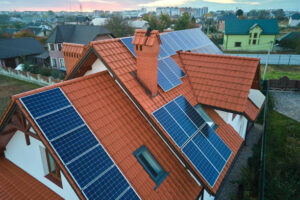
Arizona’s rising energy prices and year-round sunshine make solar power an obvious choice for many homeowners. Phoenix alone sees more than 300 sunny days every year, which means solar panels can produce strong energy output and meaningful long-term savings.
But here’s the catch.
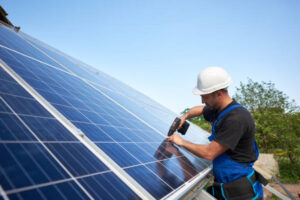
Installing solar panels is not as simple as bolting equipment onto your roof. A poorly installed system can underperform for decades or even create safety hazards. That is why choosing a licensed solar contractor in Phoenix is one of the most important steps in your solar journey.
I have spoken with homeowners who saved money on installation only to spend years fixing mistakes. The lesson is always the same. Solar is a long-term investment. The installer you choose today affects your system’s performance for the next twenty to thirty years.
Let’s break down the difference between licensed and unlicensed contractors so you can protect your investment.
What Makes a Contractor Worth Hiring
A qualified solar contractor does far more than install panels.
A professional installer evaluates your home, designs a system that fits your energy needs, and ensures every connection meets safety and utility requirements.
To demonstrate credibility and reliability, a contractor should:
- Pass licensing exams required by the Arizona Registrar of Contractors
- Maintain active insurance and bonding
- Pass background checks
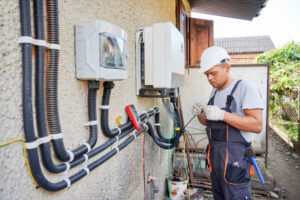
- Follow electrical and building codes
- Coordinate permits and inspections
- Manage utility interconnection with APS or SRP
Solar contractors are engineers, technicians, and advisors all rolled into one. Without those qualifications, your solar investment can quickly turn into a liability.
Key Arizona Solar Contractor Licenses for PV Systems
Arizona does not issue a single license labeled “solar contractor.” Instead, photovoltaic systems must be installed by licensed electrical contractors.
The most common licenses relevant to Phoenix homeowners include:
- R-11 Residential Electrical Contractor
Covers electrical work on single-family homes and smaller residential properties. - C-11 Unlimited Electrical Contractor
Allows electrical work on both residential and commercial projects. - CR-11 Dual Electrical Contractor
Combines residential and commercial electrical capabilities.
Solar projects that involve roof work may also require roofing licenses such as K-42, but the electrical license is always required for connecting solar systems.
Licensed contractors must demonstrate at least four years of experience, pass exams, carry insurance, and remain in good standing with the Arizona Registrar of Contractors.
Always verify licensing through the official ROC database before signing any agreement.
4 Dangers of Hiring Unlicensed Installers
Choosing an unlicensed contractor may look cheaper upfront. In reality, it often leads to expensive problems.
Here are the most common risks.
1. Safety Hazards
Solar installation combines roofing work and high-voltage electrical systems.
Unlicensed installers often lack the training required to handle both safely. Improper wiring, loose mounting hardware, or poorly sealed roof penetrations can lead to fires, leaks, or structural damage.
Those problems might not appear immediately. Sometimes they show up months or even years later.
2. Code Violations
Solar installations must comply with electrical codes, permitting requirements, and inspection rules.
Skipping permits or inspections may trigger fines from the city or county. In serious cases, the system may be forced offline until the violations are corrected.
Fixing those issues can cost far more than the original installation.
3. Insurance Problems
Insurance companies rarely cover damage caused by unlicensed construction work.
If something goes wrong, your insurer may deny the claim entirely. That means repair costs come directly out of your pocket.
Hiring a licensed solar contractor protects both your home and your finances.
4. Reduced Home Value
Solar installations typically increase property value. However, systems installed without permits or proper licensing can have the opposite effect.
Home inspectors and buyers often flag unpermitted solar systems. Instead of increasing value, the system becomes a negotiation problem during a home sale.
Additional Risks Specific to Phoenix Homeowners
Phoenix’s climate adds another layer of risk when solar systems are installed improperly.
Common issues include:
- Overheating and Fire Hazards
Roof temperatures in Phoenix regularly exceed 150°F. Poor wiring or mounting can cause system failures in extreme heat. - Utility Interconnection Problems
APS and SRP require permits and licensed installation before approving grid connections. Unlicensed systems may be rejected. - Warranty Voids
Many solar manufacturers require licensed installers to maintain product warranties. - Legal Penalties
Arizona law treats unlicensed contracting on projects over $1,000 as a criminal offense.
Why Utility Certifications Matter in Phoenix
In addition to state licensing, some solar contractors participate in local utility certification programs.
These programs help homeowners identify reputable installers.
SRP Preferred Solar Installer Program
Contractors must:
- Maintain an active ROC license
- Operate for at least two years
- Maintain strong BBB ratings
- Complete SRP training on solar plans
APS Qualified Technology Installer Program
Requirements include:
- Active ROC electrical license
- Strong customer service track record
- APS training on interconnection procedures
Working with installers approved by these programs often leads to smoother permitting and faster utility approvals.
Making the Most of Your Solar System
Choosing the right contractor unlocks the real benefits of solar power.
Permits and Interconnections
A properly permitted solar system allows you to connect to the utility grid and access energy credits.
Utility companies require proof of licensing before approving grid connections. Without it, your solar system may not be eligible for interconnection.
Tax Incentives
Solar incentives significantly reduce installation costs.
Homeowners in Phoenix may qualify for:
- Federal Residential Clean Energy Credit (30 percent)
- Arizona sales tax exemption on solar equipment
- Property tax exemption on solar home value increases
These incentives only apply to compliant, permitted solar systems installed by licensed contractors.
Resale Value
Solar systems installed correctly can increase a home’s value and appeal to buyers.
Studies frequently show homes with solar selling faster than comparable properties without renewable energy systems.
However, that advantage disappears if the installation was done improperly.
How to Verify a Solar Contractor’s License in Arizona
Verifying a contractor is easier than most homeowners think.
Look Online
Use the Arizona Registrar of Contractors search tool. Enter the company name or license number and confirm the license status is listed as Active.
Verify Insurance
Ask the contractor for proof of liability insurance and workers’ compensation coverage.
Ask for Local References
Speak with neighbors, friends, or local businesses that have completed solar installations. Reviews and real-world experiences often reveal more than marketing materials.
Look for Industry Certifications
Top solar installers in Phoenix often carry additional credentials beyond licensing.
These include:
- NABCEP Certification
Considered the gold standard for solar professionals. - Manufacturer certifications
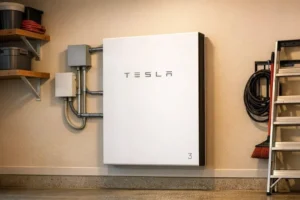
Some companies are certified to install specialized equipment from brands such as Tesla or SunPower.
These credentials show deeper training and experience.
Phoenix-Specific Permitting Tips
If you are installing solar in Phoenix or Maricopa County, keep these tips in mind:
- SolarAPP+ may allow faster approvals for eligible residential rooftop systems.
- Permits and inspections are required before connecting to APS or SRP.
- Homeowners associations may have placement guidelines, though Arizona law protects solar rights.
Working with a licensed contractor ensures these steps are handled correctly.
Watch Out for Red Flags
Avoid working with contractors that:
- Offer cash-only deals
- Pressure you to sign immediately
- Provide no license details
- Refuse to give written contracts
- Promise unrealistic timelines
- Offer suspiciously low pricing
If something feels rushed or unclear, step back and verify everything.
Protect Your Solar Investment
Solar installation in Phoenix is not a casual purchase.
It is a long-term infrastructure decision that affects your home’s value, energy bills, and safety.
Working with a licensed contractor provides the legal protection, engineering expertise, and technical knowledge required for a successful project.
As entrepreneur Warren Buffett famously said, “Risk comes from not knowing what you’re doing.”
In solar, knowledge and licensing go hand in hand.
FAQ
Use the Arizona Registrar of Contractors website and search for the company name or license number. Confirm the license is active and appropriate for electrical work.
Usually not. Many insurance policies deny claims if work was performed by an unlicensed contractor.
They may have higher operating costs due to insurance and licensing requirements. However, the protection, incentives, and quality they provide usually save homeowners money long term.
Yes. Solar systems connect directly to your home’s electrical system, so installations must be completed by licensed electrical contractors or supervised by one.
Look for NABCEP certification, strong customer reviews, and participation in APS or SRP installer programs.
Homeowners may attempt DIY projects, but most grid-connected systems require licensed professionals for permitting, interconnection, and incentive eligibility.
Start with the ROC contractor search, then review installers listed through APS or SRP programs, and check reputable review platforms.