Solar energy makes a lot of sense in Phoenix. Between the sunshine, rising utility rates, and long-term savings potential, it is no wonder more homeowners and business owners are looking seriously at solar panel installation.
But here is the part people do not always talk about.
Just because solar is a smart investment does not mean every solar quote is fair.
As the financial and environmental benefits of clean energy have become more obvious, the solar market has become more competitive. In theory, competition should lower prices and improve product quality. Sometimes it does. But in Phoenix, too many homeowners and businesses still end up paying above market value for solar systems that should have cost far less.
The problem usually is not the panels. It is the sales model.
Some solar companies in Phoenix operate more like marketing firms than electrical contractors. They spend heavily on ads, commissions, and door-to-door sales teams, then pass those costs directly to you.
If you feel like your solar quote seems too high, you may be right.
How do I know if I’m being overcharged for solar in Phoenix?
You may be overcharged for solar in Phoenix if your quote is far above $2.60 to $3.60 per watt before incentives, the company refuses to show cash pricing, the estimate is based only on satellite images, the salesperson pushes “free solar,” or the proposal hides dealer fees, battery markups, or vague equipment details.
To avoid overpaying, compare at least three quotes from licensed Arizona solar contractors, request the cash price, verify the ROC license, and insist on a full on-site electrical assessment.
Why Contractors Are Essential to Your Investment
Solar companies that operate on a sales-first model often rely on aggressive door knocking, digital ads, and high-pressure closing tactics.
The process usually looks like this:
- A sales team finds the lead
- A closer gets the contract signed
- A finance company adds dealer fees
- A subcontractor installs the system
- The homeowner pays for all of it
That chain creates markup at every level.
The sales organization takes a cut. The marketing team needs a return. The finance company makes money. The subcontractor still has to turn a profit. By the time the quote reaches you, the system may cost thousands more than it should.
Hiring a company with in-house electrical technicians can remove several layers of middleman markup. You are paying for the people designing, wiring, and installing your system, not a stack of commissions.
That difference matters.
I have seen homeowners compare two solar quotes with similar equipment, only to find one was $10,000 higher because of dealer fees and sales commissions. Same roof. Same sun. Very different business model.
Avoiding the Down Payment Won’t Always Save You Money
Solar can save money long term, but procuring, installing, and maintaining a quality solar system is not cheap.
That is normal. Real equipment, real labor, real permitting, and real electrical work all cost money.
The problem starts when companies advertise “zero-down solar” as if it means no cost. It does not. Often, zero-down financing hides massive dealer fees. These fees are like prepaid interest charged by the finance company to the installer, who then builds that cost into your total system price.
You may not see the fee as a separate line item, but you are still paying it.
To avoid this, always ask for:
- Cash price
- Financed price
- Monthly payment terms
- Dealer fee disclosure
- Total repayment amount
- Interest rate
- System cost before and after incentives
If a company refuses to show you the cash-equivalent price, that is a red flag.
Understanding Arizona solar tax credit eligibility is also important. Yes, credits are based on system cost. But overpaying just to claim a larger credit is still a net loss.
A higher tax credit on an inflated price is not savings. It is expensive math dressed up as a benefit.
Do Not Neglect the Quote or the Site Inspection
A site evaluation is not just a formality. It is how a real contractor finds the details that affect your final cost.
An experienced solar contractor in Phoenix should inspect:
- Main service panel capacity
- Roof age and condition
- Roof pitch and layout
- Shade from trees, parapets, chimneys, or neighboring structures
- Electrical routing
- Meter location
- Battery placement options
- Potential need for panel upgrades
Many companies rush this process and quote from satellite images only. Satellite tools can be useful, but they cannot see everything.
They may miss:
- Outdated electrical panels
- Roof reinforcement needs
- Broken tiles
- Poor attic access
- Existing code issues
- Limited space for equipment
That is how a “simple” project turns into change orders.
A fair solar quote should be clear, detailed, and fixed as much as possible before you sign. If the proposal leaves too much room for surprises, your wallet may be the one getting surprised.
Hardware Margins and Engineering Quality
Not all solar panels, inverters, batteries, or racking systems are the same.
Some installers overcharge by leaning heavily on vague phrases like “Tier 1 panels” without explaining what brand, model, efficiency rating, or warranty you are actually getting.
Others sell a system based on total wattage while ignoring more important details like:
- Temperature coefficient
- Inverter efficiency
- Racking durability
- Roof attachment quality
- Monitoring features
- Warranty support
- Arizona heat performance
In Phoenix, heat stress is a major factor. A system that looks good on paper may underperform if it uses lower-quality hardware or poor design.
That is why the cheapest system is not always the best deal, and the most expensive system is not always the highest quality.
The right question is not, “How many panels am I getting?”
The better question is, “What will this system produce in Phoenix conditions over 25 years?”
Phoenix 2026 Solar Pricing Reality Check
Fair pricing depends on equipment, roof conditions, battery storage, electrical upgrades, and whether the company uses in-house crews or layers of subcontractors.
For quality systems in Phoenix, current average installed costs often range from $2.60 to $3.60 per watt before incentives.
A typical 10 kW residential system may land around $26,000 to $36,000 before incentives.
Several factors separate fair pricing from inflated pricing in the Valley:
In-House Crews
Companies with in-house electricians and installers may save homeowners 15 to 25 percent by cutting out sales and subcontractor layers.
They also tend to have better quality control.
Proper Engineering
Phoenix systems need to account for:
- 110°F+ summer temperatures
- Roof reinforcement when needed
- Main panel upgrades
- Proper airflow
- Monsoon wind exposure
- Long-term equipment stress
Skipping this can make a low quote more expensive later.
Utility-Specific Design
APS and SRP billing structures can dramatically affect long-term savings.
A good contractor will not give the same generic proposal to every customer. They will model your usage against your actual utility rate plan.
Homeowners who choose transparent, in-house teams often see payback in 6 to 9 years. With inflated financed quotes, payback can stretch beyond 12 years.
That is a big difference.
The Hidden Role of Battery Storage in Total Cost
Solar batteries are becoming a bigger part of the total system cost in Phoenix.
Sometimes overcharges hide inside battery add-ons. Other times, the proposal leaves batteries out entirely, even when storage would improve savings.
In 2026, batteries can help Phoenix homeowners and businesses with:
- SRP demand charges
- Time-of-use rate savings
- Backup power during summer outages
- Monsoon-related interruptions
- Higher self-consumption of solar energy
- Utility incentive participation
Popular battery options include:
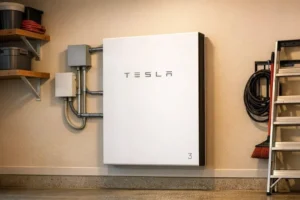
- Tesla Powerwall 3
- Enphase IQ batteries
- FranklinWH systems
A solid home battery installation may cost $8,000 to $15,000 or more, depending on capacity, electrical work, and system design. Qualifying battery storage may also be eligible for the federal tax credit.
APS and SRP Battery Incentives
APS and SRP programs can change, but battery incentives and grid-participation programs may help offset costs.
Examples include:
- APS storage programs that reward contribution during peak events
- SRP battery programs that pay customers for discharging during high-demand periods
These can be valuable, especially for customers dealing with demand charges or peak summer pricing.
Pro tip: Always ask for separate pricing for panels and batteries. Also ask for both cash and financed versions.
A good contractor will show how the battery affects your savings, not just your monthly payment.
Red Flags That Signal Potential Overcharging
Some warning signs are obvious. Others are hidden in the fine print.
Watch for these red flags:
- Quotes based only on satellite images with no on-site electrical review
- Pressure to sign before seeing a detailed fixed-price proposal
- Refusal to provide a cash price for financed options
- Heavy focus on “free solar” or zero-down offers
- No clear explanation of dealer fees
- Vague equipment descriptions
- Panel count used as the main selling point
- No discussion of Phoenix heat performance
- No ROC license information
- No local warranty support
- Poor post-sale communication
- No explanation of APS or SRP rate impacts
If a salesperson gets irritated when you ask detailed questions, that tells you something.
The right commercial solar contractor should welcome an informed customer.
How to Get Multiple Quotes the Smart Way
Getting three quotes is good advice. But comparing them correctly is what matters.
Here is how to do it the smart way:
- Request at least three bids from licensed Arizona solar contractors
- Insist on an on-site evaluation, not virtual-only quoting
- Compare the same system size and equipment tier
- Ask for 25-year production estimates based on Phoenix weather
- Request both cash and financed pricing
- Ask how APS or SRP rates affect your payback
- Verify who handles permits and utility paperwork
- Confirm warranty support is handled locally
Do not compare only monthly payment. That is where many bad solar deals hide.
Compare total system cost, long-term production, warranty coverage, and who is actually doing the work.
Established Valley contractors familiar with Maricopa County permitting, Phoenix heat, and local utility rules often deliver better long-term value than out-of-state sales operations.
Secure a Fair Deal
Securing a fair price for best solar installer in Phoenix means making sure every dollar you spend adds to the system’s performance, safety, and longevity.
That does not mean choosing the cheapest installer. It means choosing the most transparent one.
Look for established electrical contractors who:
- Employ their own crews
- Provide fixed, detailed quotes
- Explain cash versus financed pricing
- Understand APS and SRP rate plans
- Use quality equipment built for Arizona heat
- Support warranties locally
- Do not pressure you into signing immediately
A good solar deal should feel clear. Not confusing. Not rushed. Not too good to be true.
If you want a clear, upfront solar quote from a team that understands Arizona conditions, reach out to Watt Masters for a professional assessment.
FAQ
No. Solar reduces total kilowatt-hour consumption, but demand charges are based on peak usage. To reduce demand charges, you may need a smart demand controller or solar battery backup.
An orphaned solar system was installed by a company that no longer services it or is no longer in business. Choosing an established local contractor helps protect your warranty and long-term support.
Panel count is a poor way to compare solar value. Inverter efficiency, racking quality, roof complexity, electrical upgrades, battery storage, and utility rate design all affect final cost.
Yes, but it is usually more cost-effective to size your system properly from the beginning. Adding panels later often requires new permits, labor mobilization, and possible electrical upgrades.
Homeowners who secure fair, transparent pricing often save $5,000 to $12,000 upfront compared to high-pressure sales quotes. They may also save more over time through better performance and fewer maintenance issues.
Often, yes. Batteries are especially useful for SRP customers with demand charges, homes with time-of-use rates, and property owners who want outage protection during summer storms.
Review your contract carefully, request a written explanation of all fees, and contact the installer in writing. If you believe the company acted improperly, you can consult the Arizona Registrar of Contractors. Prevention is best, but documentation helps if you need to challenge the issue.