You invested thousands of dollars in solar panels, expecting years of lower electricity bills and dependable energy production.
Then something goes wrong.
Your monitoring app stops working. Your inverter displays an error code. Maybe your electric bill suddenly increases, even though your solar panels are still sitting on the roof.
You call the company that installed your system, only to discover they’re no longer in business.
Now what?
Unfortunately, this situation has become familiar to many Arizona homeowners. Several solar installation companies have closed, leaving customers with systems that still need maintenance, repairs, and warranty support.
But here’s what many homeowners don’t realize: Your solar system isn’t necessarily abandoned just because your installer is gone.
You may still have valid equipment warranties, access to manufacturer support, and options for repairing your existing system without replacing everything.
The key is knowing where to start and finding a qualified solar repair company willing to service equipment installed by someone else.
What Should You Do If Your Solar Installer Goes Out of Business?
If your solar installer goes out of business, gather your installation documents, check your system’s production, and contact the equipment manufacturers to verify warranty coverage. Manufacturer warranties may remain valid even when the installer closes. A qualified Phoenix solar repair contractor can diagnose problems, help restore monitoring, and determine whether repairs or replacement parts are needed.
The process doesn’t have to be complicated. A few organized steps can help you protect your investment and avoid paying for equipment you don’t actually need.
Why Solar Company Closures Are a Problem for Arizona Homeowners
Solar panels are designed to operate for decades. Many manufacturers offer long-term product and performance warranties, and a properly maintained system can continue generating electricity long after its original installation.
Solar installation companies, however, don’t always have the same longevity.
When an installer closes, homeowners may lose access to:
- The company’s installation and labor warranty
- The original service department
- System monitoring administration
- Installation records and equipment documentation
- Help with manufacturer warranty claims
- A familiar contact for troubleshooting and repairs
This can be especially frustrating when the system is only a few years old.
Imagine purchasing a solar system with a 25-year panel warranty, only to discover that the installation company has closed after three years.
Your panels may still be covered by their manufacturer. But who do you call when an inverter fails or your monitoring system stops reporting?
That’s where an experienced local solar service provider becomes valuable.
The important distinction is that losing your installer doesn’t automatically mean losing your equipment warranty or having to purchase a new solar system.
Step 1: Check Whether Your Solar System Is Still Producing Electricity
Before worrying about repairs, determine whether your system is actually malfunctioning.
A solar installation can continue operating normally even after the company that installed it closes.
If everything is working, there’s no reason to assume the equipment needs replacement simply because the original contractor is unavailable.
Start With Your Solar Monitoring App
If you have access to your system’s monitoring platform, review its recent performance.
Common monitoring platforms include Enphase Enlighten and SolarEdge monitoring, although other manufacturers offer their own systems.
Look for:
- Current electricity production
- Daily and monthly production trends
- Sudden drops in output
- Inverter error messages
- Panels or strings reporting unusually low production
- Periods when the system stopped communicating
Compare recent production with previous periods under similar weather conditions.
Remember that solar output changes throughout the year. Lower winter production doesn’t automatically indicate a problem.
What If Your Monitoring App Is Offline?
An offline monitoring app doesn’t necessarily mean your solar system has stopped generating electricity.
Sometimes the inverter or monitoring gateway has simply lost its internet connection.
This can happen after:
- Changing your Wi-Fi password
- Replacing your internet router
- An internet outage
- A monitoring gateway malfunction
- A change in monitoring account permissions
In some cases, the original installer controlled the administrative account, and homeowners lose access when that business closes.
Before paying for major repairs, find out whether the issue involves electricity production or just the monitoring connection.
Review Your Electricity Bills
Your APS or SRP bills may provide another clue.
If your household electricity consumption has remained relatively consistent but your grid purchases have increased significantly, your solar system may be producing less than expected.
However, utility bills alone aren’t a definitive diagnostic tool.
Seasonal air conditioning demand, rate changes, billing periods, and solar export arrangements can all affect your charges.
Use your utility bills alongside solar monitoring data to build a clearer picture.
Step 2: Recognize the Warning Signs of a Solar System Problem
Some solar failures are obvious. Others can quietly reduce production for months.
Knowing what to look for can help you avoid unnecessary electricity costs.
Common Solar System Warning Signs
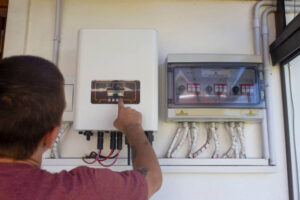
1. Your inverter displays an error code.
Inverters convert the DC electricity generated by your solar panels into AC electricity your home can use.
If the inverter develops a fault, some or all of your solar production may stop.
Common warnings involve temperature, grid voltage, communication, or electrical faults.
2. Solar production suddenly drops.
A significant decline that can’t be explained by weather, shading, or seasonal changes may indicate an inverter, wiring, or panel problem.
3. One or more panels stop reporting production.
Systems with panel-level monitoring may reveal individual microinverter or module problems.
4. Your monitoring system loses communication.
The issue may be as simple as an internet connection, or it may involve the inverter or gateway.
5. You notice physical damage.
Cracked panels, damaged conduit, loose mounting components, or visible wiring problems deserve professional attention.
6. You hear unusual electrical noises.
New buzzing, repeated clicking, or other abnormal sounds from electrical equipment may indicate a fault.
If you notice smoke, a burning smell, exposed conductors, or signs of overheating, stay away from the equipment and contact a qualified professional.
What Can You Safely Check Yourself?
You can gather useful information without opening electrical equipment or climbing onto your roof.
Start by:
- Checking your solar monitoring app for alerts.
- Recording any visible inverter error codes.
- Reviewing recent production history.
- Looking for obvious damage from a safe location.
- Noting whether a solar breaker or disconnect appears to be in an unexpected position, without operating unfamiliar equipment.
- Saving screenshots and taking photographs for your technician.
Don’t open inverter enclosures, disconnect solar wiring, or repeatedly reset tripped breakers.
Solar equipment can contain hazardous voltages even when the utility power is disconnected.
A qualified solar electrician should handle electrical testing and repairs.
Step 3: Understand Which Solar Warranties Still Apply
This is one of the most important parts of dealing with a closed solar installation company.
Many homeowners assume all their warranties disappeared when the installer went out of business.
That’s not necessarily true.
Solar systems commonly involve several separate warranties, and they don’t all come from the same company.
Manufacturer Equipment Warranties
These warranties are provided by the companies that manufacture your solar equipment.
Depending on your system, they may cover:
- Solar panels
- Inverters
- Microinverters
- Batteries
- Certain monitoring or electrical components
Manufacturers such as Enphase, SolarEdge, REC, and Qcells have their own warranty terms and claims procedures.
A manufacturer’s warranty generally doesn’t disappear solely because the original installer closes.
However, coverage depends on the actual warranty agreement, product registration requirements, installation conditions, and any applicable exclusions.
Solar Panel Warranties
Solar panels commonly have two types of coverage.
Product warranty: Covers qualifying defects in materials or workmanship.
Performance warranty: Addresses the panel’s warranted power output over time, subject to the manufacturer’s specific terms.
Many modern panels offer long-term coverage, sometimes extending to 25 years or more.
However, warranty periods vary by manufacturer, product line, and installation date.
Inverter Warranties
Inverter warranty periods also vary.
Some string inverters come with standard warranties around 10 to 12 years, with extensions available on certain models.
Microinverters may have longer coverage, sometimes up to 25 years.
Don’t assume every inverter has the same warranty.
Check the exact manufacturer, model, serial number, and installation date.
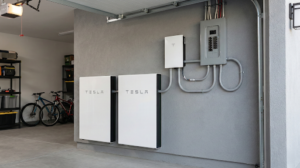
Battery Warranties
If your solar system includes battery storage, the battery typically has its own warranty.
Coverage may depend on:
- Warranty duration
- Retained storage capacity
- Energy throughput
- Operating conditions
- Installation requirements
Battery warranties should be reviewed separately from solar panel and inverter coverage.
Installer Workmanship Warranties
This is where a company closure can create a bigger problem.
A workmanship warranty is usually provided by the company that installed the system.
It may cover installation-related issues such as:
- Roof penetrations
- Mounting hardware installation
- Electrical workmanship
- Certain wiring or connection defects
- Labor associated with correcting installation mistakes
If the installer closes, that warranty may become difficult or impossible to enforce.
Any remaining remedies depend on the contract, the company’s legal status, and applicable Arizona law.
What About Solar Production Guarantees?
Some installers also promise a certain level of annual energy production.
These guarantees are different from manufacturer panel performance warranties.
If the guarantee was issued only by the installation company, it may no longer be practically enforceable after the company closes.
Review the original agreement to determine who actually made the promise.
Solar Warranty Coverage at a Glance
| Type of coverage | Who typically provides it | What happens if the installer closes? |
| Panel product warranty | Panel manufacturer | May remain valid under manufacturer terms |
| Panel performance warranty | Panel manufacturer | May remain valid under manufacturer terms |
| Inverter warranty | Inverter manufacturer | May remain valid under manufacturer terms |
| Battery warranty | Battery manufacturer | May remain valid under manufacturer terms |
| Installation workmanship warranty | Original installer | May be difficult or impossible to enforce |
| Installer production guarantee | Original installer | May become unenforceable |
| Separate third-party warranty | Warranty provider | Depends on the independent agreement |
The takeaway: Check your manufacturer warranties before paying to replace a failed component.
You may have more coverage than you think.
Step 4: Gather Your Solar System Documents
You don’t need a perfectly organized folder to get help.
But having the right information can make troubleshooting, replacement-part identification, and warranty claims much easier.
Solar System Document Checklist
Gather whatever you can find:
- Original installation contract
- Solar equipment list
- Solar panel manufacturer and model numbers
- Inverter manufacturer, model, and serial number
- Battery information, if applicable
- Manufacturer warranty certificates
- Installation date
- Permits and inspection records
- APS or SRP interconnection documents
- Monitoring account login information
- Financing or lease agreement
- Recent electricity bills
- Screenshots of error codes or production problems
Don’t worry if some of these documents are missing.
A qualified solar service company may be able to identify much of the installed equipment during an inspection.
Where Can You Find Equipment Information?
Start with your original installation paperwork.
If that’s unavailable, check your monitoring app or manufacturer account.
Some equipment has identifying information on externally visible labels, but you should never open electrical enclosures or access unsafe locations to retrieve serial numbers.
Your original permit records may also contain equipment specifications.
For systems installed in Phoenix, Mesa, Scottsdale, Chandler, or other Valley communities, the relevant city or county permitting authority may have records available.
Step 5: Verify Whether Your Original Installer Is Still Licensed
Sometimes a company hasn’t completely disappeared.
It may have changed ownership, stopped installing solar, suspended operations, or lost its contractor license.
Before assuming the company is permanently closed, verify its status.
Check the Arizona Registrar of Contractors
The Arizona Registrar of Contractors (ROC) maintains information about licensed contractors.
You can search using the business name or contractor license number.
Look for:
- License status
- Business name
- License classification
- Disciplinary information, if any
- Other available licensing details
This can help establish whether the company is still authorized to perform contracting work in Arizona.
It may also help you identify the legal business entity associated with your original installation.
Keep in mind that an inactive license doesn’t necessarily tell you whether the company has formally dissolved or entered bankruptcy.
What If the Installer’s License Was Suspended or Revoked?
Arizona has contractor complaint and recovery processes that may apply to certain circumstances.
For example, the Residential Contractors’ Recovery Fund may provide limited remedies for qualifying residential contracting losses involving eligible licensed contractors.
However, eligibility, deadlines, monetary limits, and covered circumstances are specific. It isn’t a general replacement for a solar equipment warranty or a guarantee that every repair expense will be reimbursed.
If you believe your original installation involved defective workmanship or an unresolved contractual violation, review your options directly with the Arizona ROC.
Step 6: Contact the Solar Equipment Manufacturer
Once you’ve identified the equipment, contact the manufacturer or visit its official support portal.
Explain that your original installer is no longer available and that you need assistance with an existing system.
Ask:
- Is my equipment still under warranty?
- Can I submit a warranty claim directly?
- Do I need an authorized service provider?
- Can my monitoring account be transferred?
- Are replacement parts still available?
- What documentation is required?
- Does the warranty cover labor, shipping, or only replacement equipment?
What Is an RMA?
You may hear the term RMA, which stands for Return Merchandise Authorization.
An RMA is part of a manufacturer’s process for evaluating and potentially replacing qualifying defective equipment.
For example, if an inverter fails under warranty, the manufacturer may authorize a replacement after reviewing diagnostic information.
But an approved equipment replacement doesn’t necessarily mean every associated expense is covered.
Labor, shipping, roof access, and installation costs depend on the warranty terms.
A local solar repair contractor can help determine what work is required and which costs may remain your responsibility.
Can a New Solar Contractor Handle the Warranty Claim?
Often, yes.
Some manufacturers work with qualified or authorized service providers to diagnose failures and process claims.
Others allow homeowners to begin the process directly.
The exact requirements vary by brand.
Before scheduling service, ask whether the contractor has experience working with your equipment and whether they can assist with manufacturer warranty procedures.
Step 7: Restore Your Solar Monitoring Access
Losing access to monitoring is one of the more frustrating problems homeowners encounter when an installer closes.
Your solar system may still be producing electricity, but without reliable monitoring, it becomes harder to recognize problems.
Can You Transfer Enphase or SolarEdge Monitoring to a New Installer?
In many cases, monitoring access can be restored, reassigned, or transferred through the manufacturer’s support process.
The available options depend on the platform, existing account permissions, equipment compatibility, and proof of ownership.
You may need to provide:
- Your system address
- Equipment serial numbers
- Proof of ownership
- Original installation information
- An existing monitoring account email
Some manufacturers allow homeowners to maintain their own monitoring access while assigning a new service provider.
Other functions may require installer-level permissions or manufacturer support.
Why Monitoring Matters Even When Your Solar Panels Are Working
A system can underperform without completely shutting down.
For example, one failed microinverter might reduce production from a single panel while the rest of the array continues operating.
Without monitoring, that problem could go unnoticed.
Restoring access allows you to track performance and identify new issues earlier.
It’s one of the most valuable steps you can take after losing your original solar service provider.
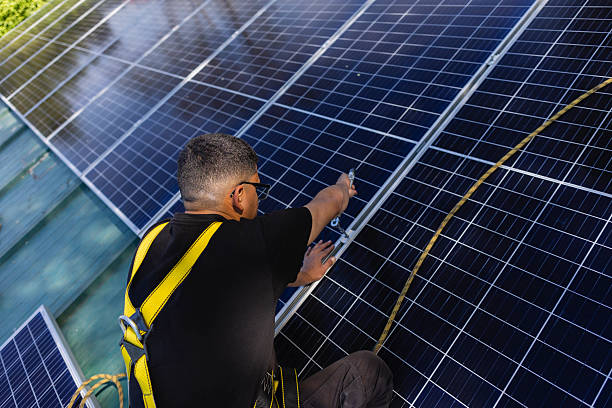
Step 8: Find a Phoenix Solar Repair Company That Services Existing Systems
Here’s something that catches many homeowners off guard:
Not every solar installation company is willing to repair a system installed by someone else.
Some businesses focus almost entirely on new installations.
Others service only the equipment brands they install.
That can make finding a replacement contractor frustrating, especially if your system uses older or discontinued components.
Look for a company that specifically offers solar troubleshooting, inverter repair, and maintenance for existing installations.
What to Look for in a Solar Repair Contractor
1. An active Arizona contractor license
Verify the company’s license through the Arizona ROC and confirm its classification is appropriate for the proposed work.
2. Electrical troubleshooting experience
Solar repairs aren’t always panel problems.
A failure may involve an inverter, wiring connection, breaker, communication device, or other electrical component.
An electrical contractor with solar experience is well positioned to investigate these issues.
3. Experience with multiple equipment manufacturers
Ask whether the company services your specific inverter, panel, or battery brand.
4. Manufacturer warranty assistance
A contractor familiar with warranty procedures can help determine whether a failed component qualifies for replacement.
5. Transparent diagnostic and repair pricing
Ask what the diagnostic visit includes and how additional work will be quoted.
6. Local experience
Phoenix solar systems face specific challenges involving extreme heat, dust, monsoon storms, tile roofs, and local utility requirements.
A contractor familiar with Valley installations can account for these conditions during troubleshooting.
7. Clear responsibility for the work
Ask whether the company uses its own technicians or subcontractors, who will perform the repairs, and who is responsible for any workmanship warranty on the new work.
An in-house crew can simplify communication, but qualifications, accountability, and quality of work matter more than staffing arrangements alone.
Questions to Ask Before Hiring a New Solar Service Provider
- Do you repair solar systems installed by other companies?
- Have you worked with my inverter or panel manufacturer?
- Can you help determine whether my equipment is under warranty?
- Do you provide a written diagnosis?
- Will you explain repair and replacement options?
- Can you help restore monitoring access?
- What does the diagnostic visit cost?
- Do you provide a warranty on your repair work?
- Are you licensed and insured for the work being performed?
A good contractor should be comfortable answering these questions.
Be cautious if someone recommends replacing your entire solar installation before inspecting the existing equipment.
What Solar Repairs Are Common When an Installer Goes Out of Business?
The original installer closing doesn’t necessarily cause equipment problems.
But when no one is monitoring or maintaining the system, existing issues can go unresolved.
Solar Inverter Repair or Replacement
Inverters are among the components most likely to require service during a solar system’s lifetime.
Common problems include:
- Error codes
- Internal hardware failures
- Heat-related shutdowns
- Communication faults
- Electrical connection problems
Depending on the model and condition, the inverter may be repairable or may require replacement.
Microinverter Problems
Systems with microinverters may experience isolated panel-level failures.
These can sometimes be identified through monitoring data.
Replacement typically requires safe roof access and compatible equipment.
Solar Panel Damage
Solar panels can be damaged by storms, physical impact, or other conditions.
Problems may include:
- Broken glass
- Damaged connectors
- Wiring faults
- Moisture-related failures
- Unexpectedly low output
Not every low-producing panel is defective. Shade, dirt, and monitoring issues should also be considered.
Wiring and Electrical Faults
Loose or damaged electrical connections can cause production problems and safety concerns.
These faults require proper electrical testing.
A qualified contractor should investigate the underlying cause rather than simply replacing equipment that displays an error.
Roof Mounting and Weatherproofing Problems
Arizona tile roofs require particular care when accessing solar equipment.
Damaged tiles, deteriorated seals, or improper mounting details can contribute to leaks and other problems.
If the original workmanship warranty is no longer available, a new contractor may be able to evaluate and correct the issue under a separate repair agreement.
Solar Battery Problems
Homeowners with battery storage may experience:
- Charging failures
- Communication errors
- Unexpected shutdowns
- Reduced usable capacity
- Inverter compatibility issues
Battery troubleshooting should follow manufacturer procedures and applicable electrical safety requirements.
Do You Have to Replace Your Entire Solar System?
Usually, no.
A malfunctioning component doesn’t automatically mean the entire installation has reached the end of its useful life.
For example, if your inverter fails after 12 years but your solar panels are still in good condition, replacing the inverter may be sufficient to restore production.
Similarly, a failed monitoring gateway may require communication repairs rather than any replacement of the solar panels.
Repair vs. Replacement: What Makes Sense?
| Situation | Likely next step |
| Monitoring app offline, but production appears normal | Investigate communications |
| Inverter fault with available service parts | Evaluate repair |
| Failed inverter with no practical repair option | Consider compatible replacement |
| One microinverter not producing | Diagnose affected panel and microinverter |
| Damaged solar wiring | Professional electrical repair |
| One defective panel | Evaluate panel replacement and warranty |
| Multiple aging components with major failures | Compare broader repair and replacement costs |
| Entire system underperforming | Comprehensive diagnostic before replacing equipment |
The right approach is to identify the failure, determine what equipment is still usable, and compare the available repair options.
Replacing functioning solar panels because the original installer closed is rarely a sensible starting point.
What Happens to Your Solar Loan or Lease If the Installer Closes?
This is another important issue homeowners sometimes overlook.
Your solar financing agreement may be completely separate from your installation contract.
If You Have a Solar Loan
If you financed the system through a third-party lender, the loan generally remains in effect even if the installation company closes.
The lender and installer are often separate businesses.
Continue reviewing your payment obligations and contact the lender if you have questions about the agreement.
Don’t assume the installer closing automatically cancels your loan.
If You Have a Solar Lease or Power Purchase Agreement
A lease or power purchase agreement (PPA) may involve a company that owns the solar equipment and is responsible for certain maintenance obligations.
If your installation contractor closes, the lease or PPA provider may still be responsible for service under your agreement.
Contact the company named in your lease or PPA before hiring an independent contractor.
Unauthorized work could create contractual or warranty complications.
If Your System Is Paid Off
If you own the system outright, you generally have more flexibility in selecting a qualified service provider.
However, manufacturer warranty requirements and applicable permitting rules still matter.
How Much Does It Cost to Repair an Orphaned Solar System?
The cost depends on what’s wrong.
A monitoring issue may require relatively limited troubleshooting.
A failed inverter, damaged roof wiring, or discontinued component can involve more extensive work.
Several factors influence the final cost:
- Diagnostic labor
- Equipment manufacturer and model
- Warranty coverage
- Replacement part availability
- Roof access requirements
- Electrical repairs
- Monitoring account recovery
- Permitting or utility coordination, when necessary
What If the Replacement Part Is Covered Under Warranty?
A manufacturer may cover the defective equipment but not every associated expense.
For example, an inverter replacement could still involve labor charges even when the manufacturer provides the replacement unit.
Some warranties include limited labor reimbursement, while others do not.
Confirm the terms before authorizing repairs.
Why a Diagnostic Visit Is Usually Worthwhile
A diagnostic visit helps answer three important questions:
- What actually failed?
- Is the failed component covered under warranty?
- What is the most reasonable repair option?
Without those answers, homeowners risk paying for unnecessary equipment.
A written diagnosis also gives you useful documentation if you need to contact the manufacturer or compare repair estimates.
Why Local Experience Matters for Solar Repair in Phoenix
Solar equipment in the Valley operates under demanding conditions.
Extended summer heat can stress inverters and other electrical components.
Dust storms can affect equipment and expose existing installation weaknesses.
Monsoon weather can contribute to damaged wiring, moisture intrusion, and mounting problems.
And many Phoenix-area homes have tile roofs that require specialized care during repairs.
A local contractor should understand these practical challenges, along with applicable electrical codes and APS or SRP requirements.
That experience becomes especially important when the original installer is unavailable to explain the system design or provide historical service records.
Watt Masters: Solar Repair for Systems Left Behind by Closed Installers
When your solar installer disappears, you shouldn’t have to start over.
You already invested in your solar system. The priority should be protecting that investment and restoring its performance whenever practical.
Watt Masters has served Arizona since 1999, bringing decades of electrical contracting and solar experience to homes and businesses throughout the Phoenix area.
We provide solar troubleshooting and repair services for existing installations, including systems originally installed by other companies.
Our team can help evaluate problems involving:
- Solar inverters
- Solar panel performance
- Electrical wiring and connections
- System monitoring
- Battery storage equipment
- General solar system maintenance
We understand that many homeowners are already frustrated by the experience of losing their original installer.
The last thing they need is another company pushing an expensive replacement before identifying the actual problem.
Our approach is straightforward: Diagnose the issue, explain your options, and recommend repairs that make sense for your system.
We serve Phoenix, Scottsdale, Mesa, Chandler, Glendale, and surrounding Valley communities.
Your Solar Installer May Be Gone, but Your Investment Isn’t
A closed solar installation company can leave you with unanswered questions about warranties, maintenance, and future repairs.
But it doesn’t automatically mean your solar system is worthless or that you need to replace it.
Your manufacturer warranties may still be active. Your existing equipment may have years of useful life remaining. And many common solar problems can be diagnosed and repaired by a qualified contractor.
Start by checking your system’s performance, gathering your documents, and identifying the equipment you own.
Then find a local solar service provider who is willing to work on the system you already have.
Need solar repair in Phoenix after your original installer closed?
Contact Watt Masters at (602) 485-7901 to discuss your system and request a diagnostic evaluation.
We’ll help you understand what’s wrong, what options are available, and the next steps toward getting your solar system working properly again.
Frequently Asked Questions About Solar Repairs After an Installer Closes
Start by gathering your installation documents, checking your system’s production, and identifying your equipment manufacturers. Verify any remaining warranties and contact a qualified local solar repair contractor if the system needs service.
Manufacturer equipment warranties may remain valid even after the installer closes. However, the original installer’s workmanship warranty or separate production guarantee may be difficult to enforce. Check each warranty agreement individually.
Yes. A qualified solar contractor may be able to diagnose and repair a system installed by another company. However, not every installer offers third-party repair services, so ask before scheduling.
Often, yes. Manufacturer warranty claims may be available if the equipment is still covered and the claim meets the manufacturer’s requirements. Some manufacturers require authorized service providers or specific documentation.
Check your installation contract, equipment list, monitoring app, and manufacturer documentation. A qualified technician can also identify equipment during an inspection when records are missing.
Contact the equipment manufacturer or monitoring provider. You may be able to recover or transfer account access using proof of ownership and equipment information. Some changes require manufacturer assistance or installer-level permissions.
No. The installer closing doesn’t mean the panels need replacement. If the system is functioning properly, it may continue operating for years. Repairs should be based on the equipment’s actual condition.
A technician can review error codes, test the electrical system, check warranty coverage, and determine whether repairs are practical. Inverter age matters, but it shouldn’t be the only factor in the decision
It depends on the problem and available coverage. A manufacturer warranty may cover certain defective equipment, but labor and other expenses may remain your responsibility. Separate financing, insurance, or warranty agreements may also affect coverage.
Yes. The Arizona Registrar of Contractors provides contractor licensing information. You can search using the company name or license number.
Potentially. The Arizona Registrar of Contractors handles certain contractor complaints, subject to eligibility and deadlines. Available remedies depend on the circumstances, license status, and applicable law.
Your loan generally remains in effect if it is held by a separate lender. Review your financing agreement and contact the lender directly. An installer closing doesn’t automatically cancel your payment obligations.
Contact the lease or power purchase agreement provider first. That company may have ongoing maintenance responsibilities under your contract. Don’t authorize independent repairs without checking the agreement.
In many cases, a new qualified service provider can assist with monitoring, diagnostics, or repairs. Account access, manufacturer authorization, and supported equipment determine which services are available.
Your solar system may be producing less electricity than expected because of an inverter fault, panel issue, wiring problem, or another condition. Increased household consumption and utility rate changes can also affect bills.
Costs depend on the failed component, diagnostic requirements, warranty coverage, and labor involved. A professional evaluation can identify the issue and provide a more accurate repair estimate.
You can review monitoring data, record error codes, and observe visible equipment conditions from a safe location. Don’t open electrical enclosures, handle solar wiring, or attempt high-voltage repairs without proper qualifications.
Yes. Watt Masters provides solar troubleshooting and repair services for existing systems in the Phoenix area, including installations completed by other contractors. Available repair options depend on equipment condition, manufacturer support, and parts availability.