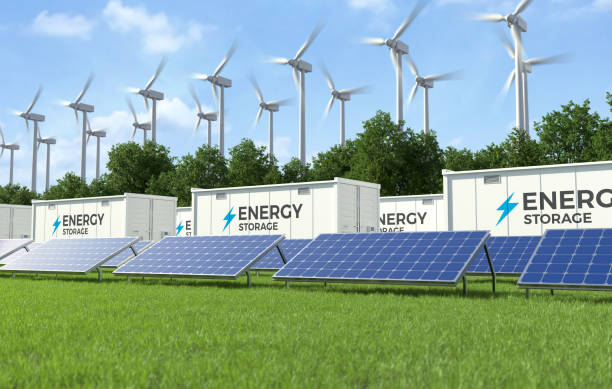
You invested in solar battery storage so your home could use more of its own electricity, reduce reliance on the grid, and keep essential appliances running during an outage.
So why is your battery nearly empty before the night is over?
For Phoenix homeowners, it’s a frustrating problem. Your solar panels may spend the entire day soaking up Arizona sunshine, yet your battery still doesn’t seem to hold enough energy to get you through the evening.
Sometimes the explanation is straightforward. Your air conditioner is consuming more electricity than you realize, or your battery isn’t getting fully charged during the day.
Other times, the problem is hidden in the system’s settings, electrical connections, or battery itself.
The good news is that a solar battery draining faster than expected doesn’t automatically mean you need a replacement. Understanding what’s happening is the first step toward getting better performance from the system you already own.
Why Is My Solar Battery Draining So Quickly?
A solar battery may drain too quickly because your home is using more electricity than the battery can supply, the solar panels aren’t fully recharging it, or the system has incorrect settings. Phoenix’s extreme summer heat can also trigger protective power limits and accelerate battery aging. Monitoring data and professional diagnostics can help identify the actual cause.
Before assuming something is broken, it’s worth understanding how much energy your battery stores and where that energy goes.
How Long Should a Solar Battery Last Overnight?
There’s no single answer because battery runtime depends on two things: how much usable energy is stored and how much electricity your home consumes.
Most residential solar batteries are rated in kilowatt-hours (kWh), which measure stored energy.
For example, a battery with 13.5 kWh of usable storage could theoretically supply a continuous 1,000-watt load for about 13.5 hours.
But increase that load to 3,000 watts, and the theoretical runtime drops to just 4.5 hours.
Here’s a simplified comparison:
| Average household power draw | Approximate runtime from 13.5 kWh |
| 500 watts | 27 hours |
| 1,000 watts | 13.5 hours |
| 2,000 watts | 6.75 hours |
| 3,000 watts | 4.5 hours |
| 5,000 watts | 2.7 hours |
These figures assume the full 13.5 kWh is available and ignore conversion losses, standby consumption, reserve settings, and temperature-related limitations. Actual runtime will usually be shorter.
The table also assumes the battery can deliver the required power. Every battery has an output limit, so stored energy capacity and instantaneous power capability are not interchangeable.
Why Phoenix Homes Can Use So Much Battery Power
Air conditioning is often the biggest factor.
During a Phoenix summer, your cooling system may run well into the evening, long after rooftop solar production has dropped.
Add a pool pump, refrigerator, televisions, lighting, and other household appliances, and your battery can discharge surprisingly quickly.
That doesn’t necessarily mean it’s defective.
It may simply be supplying more electricity than it was designed to provide for an extended period.
A battery that can comfortably support essential appliances overnight may last only a few hours when it’s also powering a large air conditioner.
5 Common Reasons Solar Batteries Drain Too Fast in Phoenix
1. Your Home Is Using More Electricity Than Expected
High energy demand is one of the most common reasons for rapid battery discharge.
The biggest contributors often include:
- Central air conditioning
- Electric water heaters
- Pool pumps
- Clothes dryers
- Electric ovens and cooktops
- Electric vehicle charging
- Multiple large appliances running simultaneously
Some appliances also draw substantial power when starting, even if their normal operating consumption is lower.
A home battery may be able to run several smaller appliances for hours but struggle to support multiple high-demand loads at once.
What you can do: Review your home’s consumption in your solar monitoring app, particularly between sunset and bedtime.
Look for periods when energy usage spikes.
If your battery drops rapidly every evening around the same time, check which appliances are running.
You may be able to improve runtime simply by changing when certain equipment operates.
2. Your Solar Panels Aren’t Fully Recharging the Battery
A battery can only discharge the energy it has available.
If your solar panels aren’t generating enough electricity during the day, your battery may begin the evening partially charged.
Several factors can contribute:
- Dust and dirt buildup on solar panels
- Shade from trees or nearby structures
- Inverter or electrical problems
- Damaged or underperforming panels
- Reduced production during cloudy weather
- High household electricity consumption during daylight hours
Phoenix presents an interesting challenge.
We have abundant sunshine, but solar panels generally become less efficient as their operating temperature rises.
On extremely hot days, your panels may produce less electricity than you’d expect from the intensity of the sunlight alone.
At the same time, your air conditioner may be consuming much of the electricity your system generates.
That can leave less surplus energy available to charge the battery.
What you can do: Check whether your battery regularly reaches its expected charge level before sunset.
If it doesn’t, compare solar production with household consumption.
A charging problem may actually originate with the solar array, inverter, or electrical system rather than the battery.
3. Your Battery Settings Are Working Against You
Modern solar battery systems have several operating modes.
Depending on the manufacturer, these may include:
- Self-consumption optimization
- Time-of-use optimization
- Backup reserve settings
- Storm preparation modes
- Grid charging options
- Utility program participation
The wrong configuration can make a healthy battery seem unreliable.
For example, a battery configured to discharge aggressively during expensive utility rate periods may reach its backup reserve before bedtime.
That may be exactly what the settings instructed it to do.
Understanding Backup Reserve Settings
Many home batteries allow you to select a minimum percentage of stored energy to preserve for outages.
If your backup reserve is set to 20%, the system may stop normal discharge when the battery reaches that level.
The remaining energy is being reserved for backup use, not necessarily lost.
If your priority is keeping essential appliances powered during monsoon-related outages, you might prefer a higher reserve.
If your priority is reducing grid purchases during peak electricity rates, you may choose a different setting.
There’s no universally correct percentage.
It depends on your battery capacity, household energy needs, utility plan, and backup priorities.
What you can do: Review your battery’s operating mode and reserve settings in the manufacturer’s app.
Before changing anything, understand what the current settings are designed to accomplish.
A lower backup reserve may make more energy available for everyday use, but it also leaves less stored power available if the grid goes down.
4. Phoenix Heat Is Affecting Battery Performance
Heat deserves special attention in Arizona.
Phoenix regularly experiences summer temperatures above 100°F, and equipment mounted outdoors can be exposed to even more demanding conditions.
If your battery is installed on a west-facing exterior wall with direct afternoon sunlight, its enclosure may experience substantially more heat than a shaded unit.
Modern home batteries include protective controls, but that doesn’t mean extreme heat has no effect.
High temperatures can:
- Accelerate long-term battery degradation
- Cause the battery management system to limit charging or discharging
- Reduce available power under certain conditions
- Trigger temperature warnings
- Increase cooling-system energy consumption in batteries with active thermal management
A battery may appear to drain unusually fast when its available capacity is reduced or when protective operating limits affect performance.
However, not every hot-weather discharge problem is caused by the battery itself. Higher household cooling demand is often an equally important factor.
We’ll look more closely at battery chemistry and placement below.
5. Your Battery or Other System Components Are Aging
All rechargeable batteries gradually lose capacity.
The rate depends on several factors, including:
- Battery chemistry
- Age
- Charge and discharge cycles
- Operating temperatures
- Depth of discharge
- Manufacturer operating limits
As a battery ages, it may store less usable energy than it did when new.
That means a battery that once supported your home until morning might begin reaching its reserve earlier.
But battery aging isn’t the only possibility.
A failing inverter, communication issue, sensor problem, or electrical fault can produce similar symptoms.
What you can do: Compare current performance with historical monitoring data.
A gradual decline over several years may suggest capacity degradation.
A sudden drop in runtime over a few days is more likely to warrant investigation for a setting change, equipment fault, or unusual increase in energy consumption.
How Phoenix Heat Affects Solar Battery Chemistry
Home batteries aren’t all built the same, and their chemistry influences how they respond to temperature.
Most modern residential storage systems use lithium-ion technology, but different lithium-ion chemistries have different operating characteristics.
Lithium Iron Phosphate vs. Other Lithium-Ion Batteries
Lithium iron phosphate (LFP) batteries are common in newer residential storage systems.
LFP chemistry is generally valued for its thermal stability and cycle-life characteristics.
Other systems use nickel-based lithium-ion chemistries, including nickel manganese cobalt (NMC).
Both types can perform well when properly engineered and installed.
The important point is that neither chemistry is immune to prolonged exposure to excessive heat.
What Actually Happens Inside a Hot Battery?
Heat can accelerate unwanted chemical reactions inside lithium-ion cells.
Over time, these reactions contribute to permanent capacity loss and increased internal resistance.
High internal resistance can also contribute to energy losses and heating during operation.
Modern battery management systems monitor temperatures and other operating conditions to help protect the cells.
If temperatures exceed the manufacturer’s limits, the system may reduce charging or discharging power, or temporarily suspend operation.
These protections are useful, but they can affect how much energy is available when you need it.
What Temperature Is Best for a Home Solar Battery?
Moderate temperatures are generally favorable for lithium-ion battery longevity.
However, there isn’t one universal ideal temperature range for every home battery.
Some systems are engineered to operate across a wide outdoor temperature range and include active cooling or heating.
Others rely on passive thermal management.
A manufacturer’s published operating range tells you where the equipment is designed to function. It doesn’t necessarily mean that continuous exposure to the highest permitted temperature is ideal for long-term battery life.
For Phoenix homeowners, the better question is:
Is my battery installed in a location where its thermal management system can keep it within the manufacturer’s recommended operating conditions?
That is something a qualified installer can evaluate.
Where Should a Solar Battery Be Installed in Phoenix?
Battery placement can make a meaningful difference in Arizona’s climate.
An outdoor battery installed in direct afternoon sun may experience much greater thermal stress than one installed in an appropriate shaded location.
But moving a battery into a garage isn’t automatically the right answer, either.
Garages in Phoenix can become extremely hot, especially when they’re uninsulated or poorly ventilated.
The best location depends on the battery model, the property, and applicable installation requirements.
Locations Worth Considering
Depending on the equipment and local code requirements, suitable options may include:
- A shaded north-facing exterior wall
- An east-facing wall with limited afternoon exposure
- A garage that meets the battery manufacturer’s installation requirements
- Another approved location with appropriate temperature conditions and clearances
Battery Placement Mistakes to Avoid
Common problems include:
- Installing a battery in direct afternoon sunlight when a better approved location is available
- Blocking required airflow around the enclosure
- Placing equipment in an unapproved cabinet that traps heat
- Ignoring manufacturer clearance requirements
- Installing batteries where they may be exposed to flooding or physical damage
- Assuming every garage or shaded location is automatically code-compliant
Battery location also needs to account for electrical and fire safety requirements.
Residential energy storage systems may be subject to restrictions involving garages, living spaces, exits, separation distances, and vehicle impact protection.
Can You Add Shade Around an Outdoor Battery?
Sometimes, but it needs to be done correctly.
A shade structure may reduce direct solar exposure, but it must not obstruct ventilation, service access, required clearances, or the equipment’s cooling system.
It also needs to comply with the manufacturer’s installation instructions and applicable codes.
Don’t build an enclosure around your battery without having the design evaluated.
Watt Masters can assess whether your battery’s location and surrounding conditions may be contributing to performance problems before recommending changes.
How APS and SRP Electricity Rates Affect Battery Usage
A battery doesn’t necessarily drain because something is wrong.
Sometimes it’s doing exactly what your electricity rate plan encourages it to do.
Both Arizona Public Service (APS) and Salt River Project (SRP) offer electricity plans with different pricing structures.
Depending on the plan, electricity may cost more during certain afternoon or evening hours.
A home battery can be configured to discharge during those periods to reduce purchases from the grid.
Why Your Battery May Empty Before Bedtime
Imagine a Phoenix home on a time-of-use electricity plan.
During the afternoon, solar production begins declining while air conditioning demand remains high.
The battery starts supplying electricity to reduce grid purchases during the expensive rate window.
By the time evening arrives, much of the stored energy has already been used.
That doesn’t necessarily indicate a battery failure.
It may mean the system is prioritizing utility bill savings over overnight battery availability.
Finding the Right Balance
Battery settings should reflect your goals.
| Your priority | What to review |
| Reduce expensive peak-hour electricity purchases | Time-of-use settings and discharge schedule |
| Keep more energy available during outages | Backup reserve percentage |
| Use more of your own solar electricity | Self-consumption mode and charging schedule |
| Improve overnight battery availability | Evening household loads and reserve settings |
| Prepare for monsoon outages | Storm preparation features and backup priorities |
APS and SRP rate plans, solar export compensation, and any applicable battery programs can change.
If you’re enrolled in a utility program that allows scheduled battery dispatch, those events may also affect stored energy availability.
Review your current utility agreement and battery settings rather than assuming every discharge is caused by household usage.
A properly configured system should reflect both your electricity plan and your personal backup priorities.
How to Tell What’s Draining Your Solar Battery
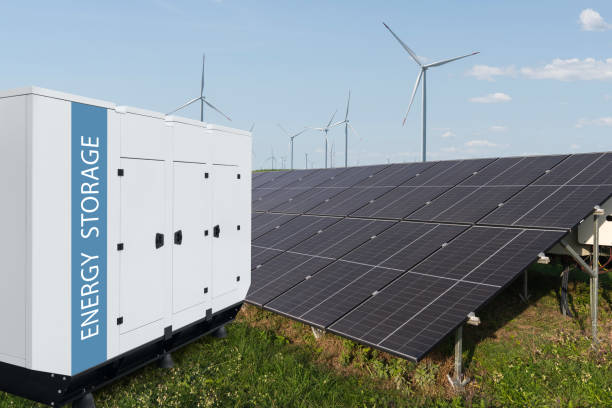
Your monitoring app is one of the most useful troubleshooting tools available.
Depending on the system, it may show:
- Solar electricity production
- Household energy consumption
- Battery state of charge
- Battery charging and discharging power
- Grid imports and exports
- Error messages and system alerts
You don’t need to be an electrician to identify unusual patterns.
5 Warning Signs to Watch For
1. Your battery never reaches a full charge.
If your battery consistently finishes sunny days well below its expected charge level, investigate whether solar production is sufficient and whether the system is limiting charging.
Some operating modes intentionally maintain a partial charge, so review the settings before assuming there’s a fault.
2. The battery drains rapidly after sunset.
Look for high evening consumption.
Air conditioning, cooking, laundry, pool equipment, and electric vehicle charging can explain significant discharge.
3. Battery performance changes dramatically on very hot days.
Compare discharge and charging behavior with temperature readings and any system alerts.
Heat-related power limiting is one possibility, but increased cooling demand can create a similar pattern.
4. The app displays repeated errors.
Temperature warnings, inverter communication faults, voltage errors, and battery management alerts deserve attention.
Some warnings may be temporary. Repeated or persistent faults should be evaluated.
5. Battery runtime suddenly becomes much shorter.
A sudden change can indicate an equipment issue, a new operating mode, or increased household consumption.
If nothing obvious has changed, professional diagnostics may be appropriate.
Compare Similar Days, Not Just Different Months
Solar production naturally changes with the seasons.
A June afternoon and a December afternoon won’t produce identical results, even with perfectly functioning equipment.
For a more useful comparison, review days with similar weather, household usage, and system settings.
If possible, compare:
- Battery charge level at sunset
- Overnight household energy consumption
- Battery charge level the following morning
- Solar production during the preceding day
- Any errors or operating restrictions
Take screenshots of unusual behavior.
Those records can help a technician distinguish between a charging problem, excessive energy demand, and a battery fault.
6 Ways to Improve Solar Battery Performance in Phoenix
Not every improvement requires replacing equipment.
In many cases, adjusting how and when you use electricity can help you get more value from your existing system.
1. Shift Flexible Electricity Usage Into Daylight Hours
If your system produces surplus solar electricity during the day, consider scheduling flexible loads while the panels are generating power.
Examples include:
- Running the dishwasher
- Doing laundry
- Operating the pool pump
- Charging an electric vehicle
- Pre-cooling your home when appropriate
The goal is to use available solar production directly rather than unnecessarily drawing down stored energy later.
However, the ideal schedule depends on your utility rate plan and battery operating mode.
2. Review Your Backup Reserve
Check how much battery capacity is reserved for emergencies.
A higher reserve provides more stored energy for outages but reduces the amount available for routine daily discharge.
A lower reserve can increase everyday battery use but leaves less backup energy.
Choose a setting that reflects your household’s needs.
3. Check Solar Production Before Blaming the Battery
If your panels aren’t producing enough electricity, the battery may never fully recharge.
Review solar output and look for unexpected changes.
Dust buildup, shade, inverter faults, and damaged equipment can all affect charging.
If cleaning appears necessary, use a qualified service provider and follow the equipment manufacturer’s recommendations.
Avoid climbing onto the roof or working around energized electrical components.
4. Reduce Unnecessary Overnight Loads
Some appliances and electronics consume electricity even when they aren’t actively being used.
Individually, these standby loads may be small.
Collectively, they can contribute to overnight consumption.
Smart plugs and household energy monitoring can help identify unnecessary usage.
For larger loads, consider whether operating schedules can be adjusted without compromising comfort or safety.
5. Keep Battery Software and Monitoring Updated
Manufacturers occasionally release software or firmware updates that address operating behavior, compatibility, monitoring, or system performance.
Some updates install automatically.
Others require authorized service personnel.
Don’t attempt unofficial firmware changes or modify advanced battery parameters without manufacturer-approved guidance.
6. Schedule Professional Diagnostics When Performance Changes
If the battery continues draining unusually quickly despite reasonable household loads and proper settings, it’s time to investigate the equipment.
A qualified technician can help determine whether the problem involves:
- The battery itself
- The inverter
- Solar charging performance
- Communication between components
- Electrical connections
- Temperature-related operating limits
- System configuration
The right diagnosis can prevent unnecessary equipment replacement.
Solar Battery Draining Fast or Battery Losing Capacity: What’s the Difference?
These two problems can look similar, but they’re not the same.
A battery may drain quickly because your home is consuming a lot of electricity.
A battery losing capacity can store less energy than it once could, even when household consumption remains unchanged.
| Symptom | Possible explanation |
| Battery drains quickly only when AC is running | High household demand |
| Battery starts the evening partially charged | Insufficient charging or operating settings |
| Battery reaches its reserve at the same percentage every night | Backup reserve configuration |
| Battery runtime has gradually declined over several years | Potential capacity degradation |
| Sudden loss of runtime with error codes | Possible battery, inverter, or communication fault |
| Reduced charging during extreme heat | Potential thermal protection or increased household consumption |
This distinction matters because replacing a battery won’t solve an excessive-load problem.
Likewise, adjusting your household schedule won’t restore capacity lost through permanent battery degradation.
Diagnose the cause before deciding on the repair.
When Should You Call a Solar Battery Repair Professional?
Some battery performance problems can be investigated through monitoring and routine settings.
Others require specialized electrical testing.
Contact a qualified solar battery technician if you notice:
- Repeated high-temperature warnings
- Persistent inverter or battery error codes
- Sudden, unexplained capacity loss
- Charging that stops unexpectedly
- Communication failures between the battery and inverter
- Frequent system shutdowns
- Unusual noises, odors, swelling, or signs of overheating
- Visible electrical damage
- A battery that no longer provides expected backup operation
If you notice smoke, a burning smell, swelling, or other signs of a potentially dangerous battery failure, keep your distance, avoid touching the equipment, and contact emergency services when appropriate.
What Does a Professional Solar Battery Diagnostic Include?
The specific process depends on the equipment and symptoms.
A qualified technician may:
- Review battery and inverter fault histories.
- Compare charging and discharging performance with expected operation.
- Evaluate battery temperature readings and thermal management.
- Check electrical connections and system communication.
- Verify relevant operating settings and firmware status.
- Assess whether the solar array is providing sufficient charging power.
- Determine whether further battery testing, manufacturer support, or component replacement is necessary.
Some advanced battery settings are manufacturer-controlled and cannot be safely or appropriately adjusted by a third-party technician.
A reputable contractor should explain those limitations rather than promise to recalibrate equipment that requires manufacturer authorization.
Don’t Attempt High-Voltage Battery Repairs Yourself
Residential battery systems can contain hazardous electrical energy even when the utility grid is disconnected.
Opening battery enclosures, disconnecting internal components, or modifying high-voltage wiring can create serious shock, arc flash, and fire hazards.
Unauthorized repairs may also affect equipment warranties.
Leave internal battery repairs and electrical modifications to qualified professionals.
Should You Repair or Replace Your Solar Battery?
A rapidly draining battery doesn’t automatically need replacement.
The right decision depends on the cause of the problem.
Repair or Adjustment May Be Appropriate When:
- The battery is functioning but configured incorrectly.
- A compatible inverter or communication component needs repair.
- Charging problems originate elsewhere in the solar system.
- External electrical connections require correction.
- A manufacturer-supported software or equipment issue can be resolved.
Replacement May Be Necessary When:
- The battery has suffered substantial permanent capacity loss.
- Internal battery components have failed and cannot be serviced.
- The manufacturer determines the unit is defective.
- Repair is unavailable, unsafe, or economically unreasonable.
- The system no longer meets your household’s backup requirements.
Check the Warranty Before Paying for Replacement
Many residential battery manufacturers provide warranties covering a defined period and certain performance conditions.
Coverage varies by product and may depend on factors such as retained capacity, energy throughput, operating conditions, and installation requirements.
If your battery is underperforming, check the manufacturer’s warranty terms before authorizing a major replacement.
A diagnostic report and monitoring records may help support a warranty claim.
If the original solar installer has closed, you may still have options through the manufacturer or another qualified service provider.
What If Your Solar Installer Is No Longer in Business?
This is a concern for many Arizona homeowners.
Your original installer may have gone out of business, stopped providing service, or become difficult to contact.
That doesn’t necessarily mean you’re stuck with a battery that isn’t working properly.
A qualified solar and electrical contractor may be able to inspect the existing system, identify the problem, and determine whether repairs or manufacturer support are available.
The process can be more complicated when equipment requires proprietary software, manufacturer authorization, or access to an installer-controlled monitoring account.
Those limitations should be explained before work begins.
Watt Masters provides solar troubleshooting and repair services for existing systems in the Phoenix area, including systems originally installed by other companies.
Our approach starts with understanding the equipment and diagnosing the actual problem.
Why Phoenix Homeowners Turn to Watt Masters for Solar Battery Troubleshooting
Solar battery storage is an electrical system, not just a box mounted on the wall.
When performance drops, the cause may involve the battery, inverter, solar array, electrical infrastructure, or system configuration.
That’s why an electrical-first approach matters.
Watt Masters has served Arizona since 1999, bringing decades of electrical contracting and solar experience to residential systems throughout Phoenix and surrounding Valley communities.
We understand the challenges local homeowners face, from extreme summer temperatures and demanding air conditioning loads to utility interconnection requirements and aging solar equipment.
Our goal is to identify what’s actually causing the problem and explain your options clearly.
Sometimes that means adjusting system settings or correcting a charging issue.
Sometimes a component needs repair or replacement.
Either way, you deserve an accurate diagnosis before investing in expensive new equipment.
Get More From the Solar Battery You Already Own
Your solar battery should help you make better use of the electricity your system produces and provide backup power when it’s needed.
If it’s draining too quickly, don’t assume the battery has reached the end of its life.
High household demand, incomplete charging, incorrect settings, extreme heat, and equipment faults can all affect performance.
Finding the cause is the key to choosing the right solution.
Is your solar battery draining faster than it used to?
Watt Masters provides solar battery troubleshooting and electrical diagnostics for homeowners in Phoenix, Scottsdale, Mesa, Chandler, Glendale, and surrounding Arizona communities.
Contact Watt Masters to discuss your system’s symptoms and schedule an evaluation.
Frequently Asked Questions About Solar Battery Performance in Phoenix
Common causes include high household electricity consumption, insufficient solar charging, incorrect battery settings, temperature-related operating limits, and battery aging. Monitoring data can help identify whether the issue is excessive usage or an equipment problem.
Runtime depends on the battery’s usable capacity and your home’s electricity consumption. A 13.5 kWh battery could theoretically supply a continuous 1,000-watt load for 13.5 hours, but actual runtime is shorter because of energy losses, reserve settings, and other factors.
Central air conditioning can consume several kilowatts of power while operating. That can deplete a residential battery in just a few hours, depending on the battery’s capacity and other household loads.
Review your evening electricity consumption, battery reserve settings, and charging performance. Shifting flexible appliance usage into daylight hours may help preserve more stored energy for nighttime use.
Yes. Excessive heat can accelerate battery aging and cause protective systems to limit charging or discharging. The effects depend on battery chemistry, temperature, thermal management, and operating conditions.
Yes, if it’s supplying electricity to your home. Some standby energy consumption is also normal. However, unexpectedly large losses without corresponding household usage may indicate a settings, monitoring, or equipment problem.
Possible explanations include insufficient solar production, high household electricity consumption, charging limits, operating settings, temperature restrictions, or equipment faults. Some systems intentionally maintain charge below 100% under certain conditions.
There is no universal best setting. A higher reserve preserves more energy for outages, while a lower reserve makes more energy available for everyday use. The appropriate percentage depends on your battery size, household needs, and backup priorities.
Indirectly, yes. Dust can reduce solar production, leaving less electricity available to recharge the battery. The battery may then begin the evening with a lower state of charge.
Not necessarily. A garage may offer shade, but Phoenix garages can become extremely hot. The best location depends on the manufacturer’s requirements, temperature conditions, ventilation, electrical safety, and applicable installation codes.
Possibly, if the shade structure complies with the manufacturer’s instructions and doesn’t block required ventilation, clearances, or access. Have the proposed modification reviewed before installation.
Battery settings designed around time-of-use electricity pricing may discharge stored energy during expensive rate periods. Utility program participation may also influence battery operation. Review your current rate plan and system configuration.
Warning signs include sudden capacity loss, repeated errors, unexpected shutdowns, charging failures, and significantly shorter runtime without increased household consumption. Professional testing may be needed to confirm a battery failure.
Sometimes. Problems involving external wiring, inverters, communication equipment, or settings may be repairable. Internal battery failures may require manufacturer-authorized service or replacement.
Watt Masters evaluates and troubleshoots existing solar systems, including installations completed by other companies. Available repair options depend on the battery manufacturer, equipment condition, warranty status, and service access.
Contact a qualified technician if the battery repeatedly fails to charge, shows persistent error codes, loses capacity unexpectedly, or experiences temperature-related shutdowns. Any signs of overheating, smoke, swelling, or electrical damage require immediate safety precautions.