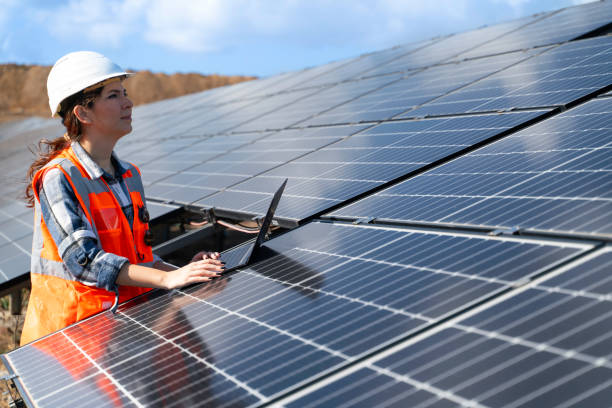
A practical checklist from people who’ve seen solar projects done right and done wrong.
Switching to commercial solar is one of those decisions that feels exciting and intimidating at the same time. On paper, it looks simple: install panels, lower energy bills, reduce your carbon footprint. In reality, there are permits, engineering reports, utility approvals, and long-term financial considerations that can make or break your investment.
I’ve talked to business owners across Phoenix who were sold a dream and left holding the headaches. Others partnered with the right commercial solar company and now say they wish they had done it sooner. The difference usually comes down to preparation and choosing the right installer.
If you’re considering commercial solar installation in Phoenix, AZ, this checklist will help you make a smart, informed decision and avoid costly mistakes.
Is Your Business Solar Ready?
Before you even call a solar contractor, you need to know whether your site and finances support a commercial solar project.
Site Feasibility
A proper site assessment identifies the best panel locations and potential obstacles that affect performance and cost.
At a minimum, you should evaluate:
- Roof condition, age, and load capacity
- Available land for ground-mount or solar carports
- Shading from nearby buildings or equipment
- Local zoning restrictions and setbacks
In Phoenix, flat commercial roofs and open industrial land are often ideal, but they still require engineering review to handle heat, dust, and wind.
Economic Feasibility
Solar should make sense financially, not just environmentally.
Start by:
- Reviewing the last 12 months of electric bills
- Identifying peak demand charges from APS or SRP
- Checking energy contracts for restrictions or penalties
- Estimating avoided energy costs over 25+ years
- Exploring financing and ownership options
A reputable commercial solar installer will help model savings realistically, not oversell projections.
Why Phoenix Businesses Are Ideal for Commercial Solar
Phoenix is one of the best places in the country for commercial solar, and that’s not marketing hype.
With over 300 sunny days per year, systems here often produce 20 to 30 percent more energy than the national average. That means faster payback and stronger long-term ROI.
Local advantages include:
- High solar irradiance for maximum production
- Rising commercial utility rates from APS and SRP
- Net billing programs for exporting excess energy
- Strong ESG and sustainability incentives for businesses
Warehouses, manufacturing facilities, retail centers, offices, and logistics hubs tend to see the biggest gains.
Hiring Solar Contractors in Phoenix: What to Look For
Not all solar companies are built for commercial projects. Residential experience does not automatically translate to large-scale systems.
1. Vet the Candidates
Commercial solar contractors should verify credentials upfront.
Look for:
- Arizona ROC licensing
- NABCEP certification or equivalent experience
- Proven commercial and industrial project history
If they hesitate to provide documentation, that’s a red flag.
2. Explore Reviews Carefully
Reviews matter, but context matters more.
Look for:
- Consistent feedback across multiple platforms
- Mentions of commercial-scale work
- Real details, not vague praise
Suspiciously perfect reviews can be just as concerning as bad ones.
3. Request Detailed Quotes
Ask for itemized proposals that include:
- Equipment brands and warranties
- Engineering and permitting costs
- Utility interconnection fees
- Monitoring and maintenance options
Transparent pricing builds trust and protects your investment.
4. Talk on the Phone
A real conversation reveals more than a brochure.
Ask about:
- Years in business in Arizona
- Experience with systems over 50 kW
- Utility coordination with APS or SRP
- Financing structures
- Proof of insurance and bonding
If they rush you, they may rush your project too.
5. Visit Their Office
This step gets overlooked, but it matters.
An in-person visit helps you assess:
- Organization and professionalism
- Technical knowledge
- Team structure and accountability
This is your chance to gauge whether they’ll still be responsive five or ten years from now.
6. The Final Meeting
Before signing, confirm:
- Final pricing and payment schedules
- Warranties on panels, inverters, and labor
- Project timeline milestones
- Change order procedures
Everything should be documented clearly.
Phoenix-Specific Permitting and Utility Considerations
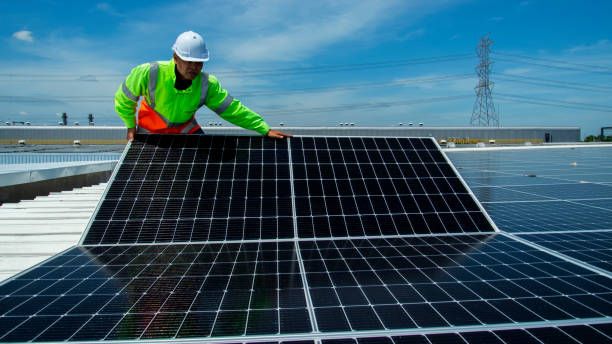
Commercial solar panel installation in Phoenix involves more than just city permits.
Expect requirements such as:
- APS or SRP interconnection approval
- Structural engineering and stamped plans
- NEC compliance and fire setbacks
- Stormwater permits for ground-mount systems
- Final inspections and utility authorization
Experienced local installers manage this process smoothly and proactively.
Current Incentives and Financing for Commercial Solar in Arizona
Incentives significantly improve ROI, but they change over time.
As of 2026, businesses may qualify for:
- Federal Investment Tax Credit at 30 percent
- Accelerated depreciation through MACRS
- Arizona sales and property tax exemptions
- Utility net billing credits
Financing options include:
- Cash purchase
- Commercial solar loans
- PPAs or leases
- PACE financing
Stacking incentives correctly can reduce effective system costs by 40 to 50 percent.
Real-World ROI and Savings Examples in Phoenix
Every project is different, but typical results look like this:
- A 100 kW system may offset 150,000+ kWh annually
- Annual savings often range from $20,000 to $40,000
- Payback periods commonly fall between 4 and 8 years
- System lifespan exceeds 25 years
Demand charge reduction and rate escalation avoidance often improve returns beyond initial projections.
Questions to Ask Before Choosing a Commercial Solar Installer
Add these to your checklist:
- How many Phoenix commercial projects have you completed recently?
- Can you share case studies from similar facilities?
- How do you design systems for Arizona heat performance?
- Who handles utility coordination and inspections?
- What monitoring and maintenance support do you provide long-term?
Good contractors welcome these questions.
FAQ
Most projects take 3 to 12 months from planning to activation, depending on size and permitting.
Typically 4 to 8 years for well-designed systems with incentives applied.
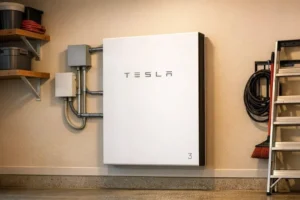
Yes. Storage helps manage peak demand and improves resilience during outages.
Invest in a Smarter Commercial Solar Project
Commercial solar is not just an energy upgrade. It’s a long-term financial and operational decision.
The right solar company will protect your investment, maximize performance, and still answer the phone years later. Take your time, ask the right questions, and work with professionals who understand Phoenix inside and out.
If you’re ready to explore commercial solar installation in Phoenix, start with a qualified local expert who can guide you from feasibility to final inspection with confidence.