You’ve signed the contract, picked out your solar equipment, and you’re ready to start generating your own electricity. So why is it taking weeks for anything to happen?
It’s a fair question. After all, installing solar panels on a typical Phoenix home may take only a day or two. Yet the entire process, from signing the contract to turning on the system, can stretch across several weeks or even months.
The reason usually has less to do with the panels themselves and more to do with everything that needs to happen before and after they’re installed.
HOA approvals, building permits, utility paperwork, electrical upgrades, inspections, and equipment availability all play a role. And when one step gets overlooked, the entire project can stall.
The good news? Many of these delays are preventable with proper planning and an experienced local solar contractor.
Why Do Solar Installations Take So Long in Phoenix?
Residential solar installations in Phoenix typically take several weeks to a few months because the project involves more than mounting panels. Before the system can operate, contractors must complete the design, obtain required permits, coordinate with the HOA and utility, install the equipment, pass inspections, and receive Permission to Operate (PTO). Incomplete paperwork, electrical upgrades, and failed inspections can extend the timeline.
The physical installation is often the shortest part of the process.
Understanding what happens between signing the contract and receiving permission to turn on your system makes the waiting easier to manage.
More importantly, it helps you recognize which delays are normal and which could have been avoided.
How Long Does Residential Solar Installation Take in Phoenix?
For a relatively straightforward residential rooftop installation, approximately 6 to 12 weeks from completed design to Permission to Operate is a reasonable planning range.
Some projects move faster, especially when they qualify for automated permitting and don’t require major electrical modifications.
Others take longer because of structural complications, utility upgrades, HOA revisions, or equipment shortages.
Here’s what the process generally looks like.
| Project stage | Typical planning timeframe | Common reasons for delays |
| Site assessment and system design | 3 to 10 business days | Complicated roof, shading, electrical upgrades |
| HOA architectural review, if applicable | 1 to 4 weeks | Missing documents, requested revisions |
| City or county permitting | Potentially same day to several weeks | Standard plan review, structural issues, electrical changes |
| Equipment procurement | Several days to multiple weeks | Inverter, battery, or specialty component availability |
| Physical solar installation | 1 to 3 days for many homes | Weather, tile repairs, difficult roof access |
| Final inspection | Several days to 2 weeks | Scheduling, failed inspection, corrections |
| Utility approval and PTO | Often 2 to 4 weeks after required documentation is complete | Meter work, application issues, utility review |
These are general planning estimates, not guaranteed processing times. Several stages can overlap, and timelines vary by jurisdiction, utility, and project complexity.
A well-managed project doesn’t necessarily eliminate every waiting period. It avoids creating unnecessary ones.
1. HOA Approval Can Delay Solar Installation
Many Phoenix-area neighborhoods have homeowners associations that review exterior modifications, including rooftop solar panels.
Although Arizona law protects homeowners’ ability to install solar energy devices, an HOA may still have an architectural review process.
The trouble often starts when the application is incomplete.
What Does an HOA Typically Review?
Depending on the community, the application may require:
- Roof diagrams showing panel placement
- Number and dimensions of solar modules
- Equipment specifications
- Conduit routing
- Mounting details
- Exterior equipment locations
- Contractor information
A missing conduit route or unclear roof drawing can lead to additional questions and revisions.
What should have been a straightforward review may then stretch into several weeks.
Can an HOA Deny Solar Panels in Arizona?
Arizona Revised Statutes Section 33-1816 restricts planned-community associations from prohibiting solar energy devices.
However, associations may adopt certain reasonable rules regarding placement, provided those rules comply with state law.
For example, an HOA may express a preference for less visible equipment. But a restriction that effectively prevents installation or unlawfully impairs solar performance may not be enforceable.
The exact circumstances matter.
What if Your HOA Doesn’t Respond?
Arizona’s planned-community solar statute should not be confused with a universal rule that every unanswered solar application is automatically approved after 30 days.
An association’s governing documents, applicable statutes, and review procedures must be considered. Homeowners should confirm the actual approval requirements before proceeding.
Keep records of your submission, including the date, drawings, and correspondence.
How to Avoid HOA Delays
The simplest approach is to submit a complete architectural package early.
Whenever the project requirements allow it, HOA review and permit preparation can proceed at the same time.
There’s little benefit in waiting for one administrative process to finish before beginning another if both can legally move forward together.
2. Building Permits: Why Some Phoenix Solar Projects Move Faster Than Others
Permitting is one of the biggest sources of confusion for homeowners.
You may hear that solar permits take two to four weeks. That can be true for some projects, but it’s no longer a useful blanket estimate.
Certain residential rooftop systems can qualify for automated permitting, while others require a more detailed review.
What Is SolarAPP+?
SolarAPP+ is an automated permitting platform developed to streamline approval of eligible residential solar and energy storage projects.
Instead of requiring every qualifying installation to go through a traditional manual plan review, the system checks submitted information against applicable requirements.
When a project qualifies and the jurisdiction supports the relevant application type, approval can be substantially faster.
Arizona’s 2026 solar permitting requirements have also increased the importance of automated permitting processes.
However, homeowners shouldn’t assume every solar project receives instant approval.
Eligibility depends on the jurisdiction, system configuration, adopted requirements, and current permitting procedures.
Which Projects Are More Likely to Qualify for Faster Permitting?
Straightforward rooftop installations are generally better candidates.
They often involve:
- Standard residential roof construction
- Approved mounting systems
- Conventional electrical configurations
- No unusual structural conditions
- Complete equipment documentation
- Proper fire access pathways
- No significant service modifications
The permitting authority must confirm eligibility.
What Can Move a Project Into Standard Review?
Projects may require additional review when they involve:
- Main electrical panel or service upgrades
- Nonstandard electrical interconnections
- Unusual structural conditions
- Ground-mounted solar arrays
- Solar carports
- Certain battery storage configurations
- Complex flat-roof mounting systems
- Properties with special zoning or development restrictions
A battery or panel upgrade does not automatically make every project ineligible for automated permitting. The outcome depends on the local program and the specific work.
Why Permit Resubmittals Cause Delays
The biggest problem isn’t always the initial review period.
It’s having to start another review cycle because something was submitted incorrectly.
Common issues include:
- Incorrect roof measurements
- Missing fire access pathways
- Incomplete structural calculations
- Electrical panel ratings that don’t match the design
- Incorrect equipment specifications
- Missing installation details
- Conflicting information between drawings
An experienced solar installer should identify these issues before submitting the permit application.
A complete, accurate application is often more valuable than trying to rush an incomplete one through the system.
3. APS and SRP Utility Approval Can Delay Solar Activation
Here’s one of the most frustrating situations for homeowners:
The panels are installed. The wiring is finished. The system looks ready.
But you still can’t turn it on.
That’s because installation and utility authorization are two different milestones.
What Is Permission to Operate (PTO)?
Permission to Operate is the utility’s authorization to operate a grid-connected solar system under its approved interconnection arrangement.
Before issuing PTO, the utility may need to verify that the required inspections, documentation, metering, and interconnection requirements have been completed.
Passing the city inspection doesn’t automatically mean your solar system has permission to operate.
You must follow the utility’s authorization process before energizing the system for normal grid-connected operation.
APS Solar Interconnection
Arizona Public Service (APS) has procedures for reviewing and approving residential solar interconnections.
The requirements depend on the system’s size, electrical configuration, and other technical factors.
Potential delays include:
- Incomplete applications
- Missing inspection documentation
- Equipment changes not reflected in the approved design
- Metering requirements
- Utility equipment limitations
- Additional engineering review
Smaller, conventional residential systems may qualify for simpler review than larger or more complicated installations.
SRP Solar Interconnection
Salt River Project (SRP) also has its own solar interconnection requirements.
Homeowners in SRP territory may encounter additional coordination when their project involves service equipment changes, metering work, or nonstandard electrical configurations.
An installer familiar with SRP procedures should account for those requirements during design rather than discovering them after installation.
Why Utility Applications Should Start Early
One avoidable mistake is waiting until the panels are installed to begin preparing utility paperwork.
Some utility approval steps need to happen before installation, while final authorization depends on completed work and inspection.
A contractor should understand that sequence and submit documentation at the appropriate stages.
If the utility requires a design revision, it’s much better to discover that before the equipment is mounted.
4. Electrical Panel Upgrades Can Add Weeks to the Project
Not every home has an electrical system that’s ready for solar.
This is especially relevant for older Phoenix properties with outdated service equipment or limited electrical capacity.
Why Would Solar Require a Panel Upgrade?
The main electrical panel needs to accommodate the proposed solar connection safely.
An installer must evaluate:
- Main service rating
- Panel busbar rating
- Breaker configuration
- Available breaker spaces
- Solar inverter output
- Applicable electrical code requirements
- Utility interconnection rules
Sometimes the existing panel works without modification.
Other times, a panel replacement, service upgrade, or alternative approved interconnection method may be necessary.
Why Does an Electrical Upgrade Take Longer?
A service upgrade may involve more than replacing a metal box.
Depending on the project, it can require:
- A separate or expanded electrical permit
- Utility coordination
- A scheduled service disconnect
- New service equipment
- Electrical inspection
- Utility reconnection or meter work
The actual electrical work may take a relatively short time, but coordinating the required approvals and utility appointments can extend the schedule.
In some situations, utility infrastructure modifications can take substantially longer.
How to Avoid a Last-Minute Surprise
The electrical panel should be evaluated during the initial site assessment.
A homeowner shouldn’t learn that a major service upgrade is required after the solar panels have already been installed.
If an upgrade is necessary, the contractor should explain its cost, permitting requirements, and scheduling impact before the project moves forward.
5. Failed Solar Inspections Can Set the Schedule Back
Once installation is complete, the system must pass the applicable inspections.
A failed inspection doesn’t necessarily mean the entire installation was done poorly.
Sometimes the issue is a missing label or documentation discrepancy.
Other times, it reveals a more significant problem that needs correction.
Common Reasons Solar Installations Fail Inspection
Potential issues include:
- Missing or incorrect electrical labels
- Improperly installed disconnects
- Incorrect rapid-shutdown equipment or placement
- Exposed or improperly protected wiring
- Electrical work that doesn’t match the approved plans
- Incorrect roof access clearances
- Improper equipment mounting
- Missing documentation
- Unresolved structural or electrical deficiencies
Some corrections are relatively simple.
Others require additional labor, replacement components, or revised drawings.
Inspection Access Can Cause Delays, Too
Even a properly installed system can experience a scheduling setback if the inspector cannot access the required equipment.
Locked gates, inaccessible electrical panels, or missed appointments can prevent an inspection from being completed.
Your installer should communicate access requirements before the inspection date.
Why In-House Installation Crews Can Help
A company using its own qualified electrical and installation personnel may have greater direct control over workmanship, scheduling, and corrections.
That doesn’t mean subcontractors are inherently unreliable.
The important distinction is accountability.
Homeowners should know who performs the work, who supervises it, and who is responsible for resolving inspection issues.
At Watt Masters, electrical expertise is a core part of the business. That matters when the final approval depends on electrical work being completed correctly.
6. Equipment Shortages and Backorders Can Hold Up Installation
A solar project can be fully designed and permitted but still wait on one essential component.
Depending on market conditions and equipment choices, potential bottlenecks include:
- Solar inverters
- Microinverters
- Battery storage equipment
- Rapid-shutdown components
- Electrical service equipment
- Specialized mounting hardware
A missing inverter can prevent the system from being completed even when the solar panels and racking are ready.
Ask About Equipment Availability Before Signing
A reputable contractor should be able to explain which major components are available and whether any items have unusually long lead times.
If equipment is backordered, ask whether a suitable alternative exists.
However, substitutions shouldn’t be made casually.
Changing inverter models, electrical ratings, or other significant components may affect the system design, permit documentation, or utility application.
The replacement must be compatible and properly approved.
Why the Cheapest Quote Isn’t Always the Fastest
A low installation price can be appealing.
But if the contractor hasn’t secured equipment, confirmed the electrical requirements, or prepared an accurate design, the project may encounter avoidable delays.
Compare the completeness of the proposal, not just the bottom-line price.
7. Monsoon Weather and Roof Conditions Can Interrupt Installation
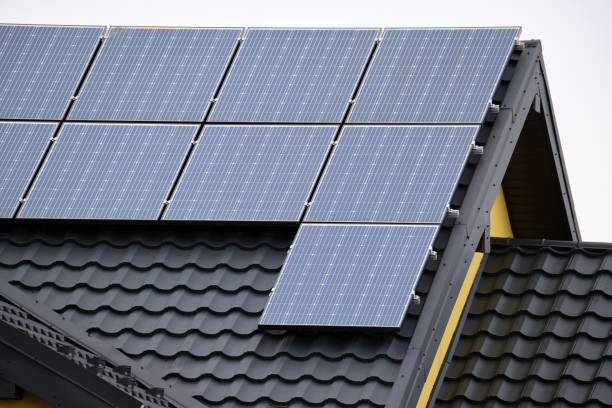
Phoenix has plenty of sunshine, but rooftop construction isn’t immune to weather.
Summer monsoons can bring strong winds, lightning, blowing dust, and sudden heavy rain.
These conditions can make roof work unsafe.
Weather Delays Are Sometimes Necessary
An experienced contractor shouldn’t put installers on a roof during unsafe conditions simply to meet a promised installation date.
High winds, lightning, and severe storms may require rescheduling.
For projects planned during monsoon season, some scheduling flexibility is reasonable.
Roof Problems Can Create Bigger Delays Than Weather
Unexpected roof conditions can also interrupt a project.
Examples include:
- Cracked or deteriorated roof tiles
- Damaged roof decking
- Inadequate structural support
- Roof penetrations that conflict with the design
- Unexpected vents or mechanical equipment
- Aging foam or membrane roofing
- Mounting locations that don’t align with suitable structural attachment points
Some issues are difficult to identify from satellite imagery alone.
That’s why a thorough site assessment matters.
Discovering a problem before the permit drawings are finalized is far better than discovering it on installation morning.
Should You Replace Your Roof Before Solar?
If your roof is approaching the end of its service life, consider having it evaluated before installing panels.
Replacing the roof after solar installation may require removing and reinstalling the array.
That adds cost, scheduling, and coordination.
Addressing necessary roof work first can prevent another major disruption a few years later.
How to Avoid Solar Installation Delays Before They Happen
Not every delay is within the contractor’s control.
Utilities have their own review procedures. Inspectors have schedules. Severe weather happens.
But many common problems can be prevented through better planning.
Choose a Contractor With Local Experience
Phoenix-area solar projects involve different permitting authorities, utility territories, roofing systems, and property requirements.
A contractor familiar with local conditions is better positioned to identify complications early.
Ask whether the company has experience with your city and utility provider.
Get a Complete Site Assessment
The initial assessment should cover more than roof measurements.
It should include the roof’s condition, electrical panel, potential shading, equipment placement, and any known property restrictions.
Skipping these details can lead to design changes later.
Start Administrative Reviews Early
HOA review, equipment planning, and certain permitting preparations may be able to proceed concurrently.
Utility applications should be submitted according to the applicable interconnection process.
The goal is to avoid unnecessary gaps between project stages.
Confirm Major Equipment Availability
Before installation is scheduled, the contractor should verify that the required equipment will be available.
If a component is delayed, you should receive an explanation and an updated schedule.
Ask for a Project Timeline With Actual Milestones
A status update that simply says “permitting” doesn’t tell you much.
A useful project tracker identifies:
- Design completion
- HOA submission and approval, if required
- Permit submission
- Permit approval
- Equipment availability
- Installation date
- Inspection date
- Utility documentation
- Expected PTO
The dates may change, but the milestones should be clear.
Understand Who Is Responsible for Each Step
One of the biggest sources of frustration is not knowing whom to call when something stalls.
Ask who handles the HOA paperwork, permit application, utility coordination, inspection scheduling, and final activation.
Clear responsibility helps prevent tasks from falling through the cracks.
Questions to Ask Your Solar Installer Before Signing a Contract
A few direct questions can tell you a lot about how a contractor manages projects.
- Does my installation qualify for automated permitting? If not, ask what requires additional review.
- When will the HOA application be submitted? Confirm who prepares the drawings and handles revisions.
- When does the utility interconnection process begin? Ask how APS or SRP approval fits into the schedule.
- Will my existing electrical panel work? If upgrades are required, get the scope and timeline in writing.
- Is the proposed equipment available? Ask about lead times and acceptable substitutions.
- Who will install the system? Understand whether the company uses its own crew or subcontractors.
- Who schedules and attends inspections? Find out how quickly corrections are addressed.
- What happens if the project is delayed? Ask how schedule changes will be communicated.
- When can I expect Permission to Operate? Don’t confuse the installation date with the activation date.
- Who is my point of contact? You should know who can provide meaningful updates throughout the project.
A good contractor should be comfortable answering these questions.
If the timeline is vague before you’ve signed, don’t assume communication will improve once the project begins.
What Should You Do if Your Solar Installation Is Already Delayed?
If you’ve already signed a contract and progress seems to have stopped, start by asking for the project’s current status in writing.
Find out exactly which milestone is holding things up.
If You’re Waiting on Permits
Ask for the permit application number, submission date, and current review status.
If revisions were requested, ask what needs to be corrected and when the updated plans will be submitted.
If You’re Waiting on Equipment
Request the status of the delayed components and an updated expected delivery date.
If a substitution is proposed, make sure it is compatible with the approved system design.
If the Panels Are Installed but Not Operating
Ask whether the system has passed its required inspections and whether the utility has received all necessary documentation.
Confirm the current PTO status.
Don’t turn on the system without the required authorization.
If the Installer Has Stopped Communicating
Document your attempts to contact the company and review the terms of your contract.
You may also be able to check permit status with the local jurisdiction and confirm interconnection status with your utility.
If the original contractor has gone out of business or abandoned the project, another appropriately licensed Arizona contractor may be able to evaluate the installation and help determine what remains to be completed.
Unfinished solar projects can involve electrical safety issues, missing inspections, and unresolved utility requirements. They should be evaluated before operation.
Why Experience Matters When Choosing Residential Solar Installers in Phoenix
Installing solar panels is only one part of delivering a functioning solar energy system.
The contractor also needs to understand structural mounting, electrical integration, permitting, inspections, and utility requirements.
That coordination can make the difference between a relatively smooth installation and a project that spends weeks waiting on preventable corrections.
Watt Masters has served Arizona since 1999, bringing decades of electrical contracting experience to solar projects throughout the Phoenix area.
Our background is in electrical work, not simply selling panels.
That matters because a properly designed solar system needs to work with the property’s existing electrical infrastructure, meet applicable codes, and perform reliably after installation.
The goal isn’t just to get panels onto the roof quickly.
It’s to complete the project correctly, with a clear process and as few avoidable delays as possible.
Ready to Install Solar? Start With a Plan That Makes Sense
Residential solar installation in Phoenix doesn’t have to be a guessing game.
HOA reviews, building permits, utility approvals, equipment availability, and inspections are normal parts of the process.
What homeowners shouldn’t have to accept is poor communication, incomplete planning, or preventable mistakes that leave a project sitting unfinished.
A good solar contractor helps you understand the timeline before work begins, identifies potential complications, and keeps the project moving through each stage.
If you’re considering residential solar installation in Phoenix, Scottsdale, Mesa, Chandler, Glendale, or surrounding communities, Watt Masters can help evaluate your property and discuss the installation process.
Contact Watt Masters to request a solar installation assessment and get a clearer picture of what your project will involve.
Frequently Asked Questions About Solar Installation Delays in Phoenix
Many straightforward residential solar projects take approximately 6 to 12 weeks from completed design to Permission to Operate. Some are faster, while projects involving electrical upgrades, HOA revisions, or utility complications may take longer.
The contractor generally needs to complete the design, verify site conditions, obtain required approvals, and coordinate applicable utility requirements before installation. Equipment availability and scheduling also affect the start date.
Processing times depend on the project and permitting pathway. Qualifying installations may receive automated approval relatively quickly, while projects requiring traditional plan review can take several weeks or longer.
No. Eligible residential systems may qualify for automated permitting. More complicated projects, including certain structural or electrical modifications, may require additional review.
SolarAPP+ is an automated permitting platform that helps participating jurisdictions review eligible residential solar and energy storage installations. It can reduce permit processing time when the project meets applicable requirements.
Arizona law limits an HOA’s ability to prohibit solar energy devices. Associations may impose certain lawful requirements, but restrictions must comply with the applicable solar access statutes.
The outcome depends on the applicable laws, governing documents, and review procedures. Don’t assume silence automatically constitutes approval. Keep submission records and confirm the requirements before proceeding.
Permission to Operate is the utility’s authorization for a grid-connected solar system to begin normal operation under the approved interconnection arrangement. It generally follows completion of required installation, inspection, and utility documentation.
Not necessarily. Passing the inspection does not replace utility authorization. Wait until APS, SRP, or the applicable utility provides the required Permission to Operate.
Timing depends on the utility, system design, application completeness, inspection status, and any required meter or infrastructure work. A few weeks after final documentation is a reasonable planning assumption for some straightforward projects, but approval can take longer.
A main electrical panel or service upgrade can significantly extend the project because it may require additional permitting, utility coordination, inspections, and meter work.
The contractor must correct the identified deficiencies and complete any required reinspection or approval process. Depending on the issue and scheduling availability, this can add days or weeks.
Yes. Strong winds, lightning, heavy rain, and unsafe roof conditions can temporarily stop installation work. Weather-related delays are particularly relevant during Arizona’s summer monsoon season.
It’s generally better to address necessary roof repairs before installing solar panels. Otherwise, future roofing work may require removing and reinstalling the array, adding cost and scheduling complications.
Another appropriately licensed contractor may be able to inspect the unfinished installation, identify incomplete work, and help determine the steps needed for safe completion. Permits, inspections, equipment warranties, and utility authorization should all be reviewed.
Ask for a milestone-based schedule showing design, permit submission, approval, installation, inspection, and PTO. A reliable contractor should provide clear status updates and explain any delays rather than offering vague estimates