If you have ever looked into solar panel installation in Phoenix, you have probably felt that hesitation. Not because of the technology. Not because of the cost. But because of the process.
Permits. Inspections. Utility approvals. It can feel like a maze.
I have had more than one homeowner say, “I want solar, I just don’t want to deal with the paperwork.” And honestly, that is fair.
But here is the truth most people do not hear enough.
Those rules are not there to slow you down. They are there to protect your investment, your property, and your long-term savings.
Once you understand how the process actually works, it becomes a lot less intimidating and a lot more predictable.
Let’s walk through it step by step.
Featured Snippet: How does solar permitting work in Phoenix?
Solar permitting in Phoenix involves three main steps:
- Approval from the City of Phoenix Planning and Development Department
- Fire Department permit and inspection for safety compliance
- Utility interconnection approval from APS or SRP
Once all permits and inspections are complete, the system receives Permission to Operate and can be turned on.
Most residential solar projects in Phoenix take about 3 to 6 weeks from permit submission to activation.
Know the Relevant Authority
Every solar project begins with approval from the Authority Having Jurisdiction, often called the AHJ.
In Phoenix, that authority is the City of Phoenix Planning and Development Department.
They review your system design, verify it meets zoning rules, and ensure your installation complies with building codes.
This is where your contractor’s experience really shows. A well-prepared design gets approved quickly. A sloppy one gets delayed.
Technical and Structural Compliance
Once your plans are approved, the project moves into technical verification.
Structural Load Capacity
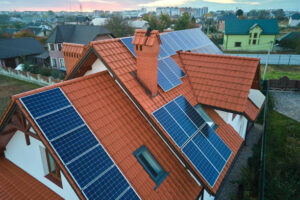
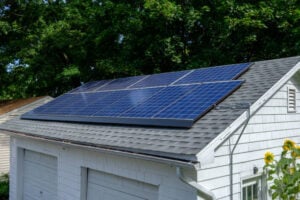
Solar panels may not seem heavy individually, but together they add weight across your roof.
Typical systems add about 2 to 5 pounds per square foot.
Your roof must safely support that load, especially during high winds or monsoon storms.
Electrical Safety Standards
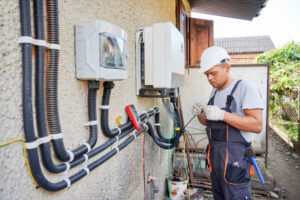
All solar systems must comply with the National Electrical Code.
This includes:
- Proper grounding
- Correct conductor sizing
- Rapid shutdown capability
That last one matters more than people think. It allows first responders to shut off the system quickly in an emergency.
Fire Safety and Access Requirements
Phoenix requires clear pathways on rooftops, usually about three feet, so firefighters can move safely if needed.
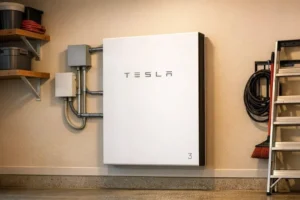
Battery systems must also be installed in safe locations to prevent thermal risks.
These are not random rules. They come from real-world scenarios where safety mattered.
Connecting to the Utility Providers
After city approval, you still need permission from your utility provider.
This means applying for an Interconnection Agreement.
Your contractor will submit:
- Electrical diagrams
- Site plans
- Permit approvals
The utility then reviews your system to ensure it will not disrupt the grid.
Once approved, they prepare your system for net billing and install a bi-directional meter.
Residential Solar Permitting in Phoenix: Fast-Track Options
Here is something many homeowners do not realize.
Phoenix actually offers faster permitting paths for qualifying projects.
SolarAPP+ Eligibility
SolarAPP+ allows certain rooftop systems to skip manual plan review.
To qualify, your system must meet conditions like:
- Rooftop installation only
- No battery storage
- Standard electrical service limits
- No historic district restrictions
Step-by-Step Fast Approval
- Submit your system design through SolarAPP+
- Receive approval documentation
- Apply through the Phoenix permit portal
- Schedule inspection
Many homeowners see approval in as little as one to three weeks.
That is fast compared to most cities.
Phoenix Fire Department Permit: The Step People Miss
This is where many projects get delayed.
Even if your city permit is approved, you still need a separate fire permit.
Yes, separate.
For smaller residential systems, this can often be handled over the counter. Larger or commercial projects require full review.
Once installed, your system must pass a fire inspection before moving forward.
Skipping this step is one of the most common mistakes I see.
How Much Do Solar Permits Cost in Phoenix?

This is one of the first questions people ask.
In 2026, typical residential permit costs fall into fixed fee categories:
- Around $780 for full review with inspections
- Around $585 for reduced inspection packages
- Around $488 for simplified approvals
Commercial projects vary more based on size and scope.
When you compare these costs to long-term savings, they are relatively small.
But skipping permits altogether can cost far more later.
The Final Round of Inspections
Once installation is complete, your system goes through two final checks.
Municipal Inspection
The city confirms the system matches the approved design.
Utility Inspection
Your utility installs the meter and verifies safe grid connection.
Permission to Operate
This is the moment everything leads up to.
Once inspections are complete, you receive Permission to Operate, often called PTO.
That is when you can flip the switch and start producing your own energy.
Full Timeline: What to Expect
A realistic timeline for Phoenix solar projects looks like this:
- Permitting: 1 to 3 weeks
- Utility review: 1 to 4 weeks
- Final inspections: 3 to 10 days
- PTO approval: 10 to 15 business days
Most residential systems are up and running within 3 to 6 weeks.
Why Phoenix Is One of the Best Places for Solar
If you step back for a moment, commercial solar companies in Phoenix operate in one of the best solar environments in the country.
We get:
- Over 300 sunny days per year
- High peak sun hours
- Strong annual production potential
That means properly installed systems here often outperform national averages.
And yes, the process takes a little effort.
But once your system is up and running, the payoff is real.
Tips for a Smooth Solar Permit Process
From real-world experience, these steps make everything easier:
- Hire a licensed Arizona contractor from the start
- Plan battery storage early if you want it
- Keep digital copies of all approvals
- Confirm eligibility for SolarAPP+
- Stay ahead of utility paperwork
The projects that go smoothly are not necessarily the simplest. They are the best prepared.
Future-Proof Your Investment
It is easy to see permits as obstacles.
But they are actually guardrails.
They ensure your system is safe, compliant, and built to perform long-term.
A well-installed solar system in Phoenix is not just about saving money today. It is about creating a reliable energy asset for the next 25 to 30 years.
That is worth doing right.
FAQ
You may need reinforcement or a different mounting option. A structural engineer will guide that decision.
Yes. It allows your system to be safely shut off during maintenance or emergencies.
It tracks both the electricity you use and the excess power your system sends back to the grid.
Typically 10 to 15 business days after final inspection.
Yes. Every solar installation requires a separate fire permit and inspection.
No. Doing so can lead to fines, denied utility connection, and insurance issues.
They must review it, but Arizona law limits their ability to block reasonable installations.