Choosing a trustworthy solar installer is important. But there is another piece of the puzzle many homeowners overlook. The solar panel brand itself.
Your contractor may install the system, but the equipment manufacturer determines how well that system performs for the next twenty or thirty years.
In Phoenix, Arizona, that decision matters even more.
Between intense heat, dust storms, and long stretches of sunlight, solar panels operate under tougher conditions than in most states. The best solar panels for Arizona are designed to maintain high output even when rooftop temperatures climb above 150°F.
If you are comparing solar panel brands for an Arizona solar panel installation, this guide breaks down what actually matters.
Solar Panel Providers in AZ: What To Look For
Before diving into the top brands, it helps to understand the key metrics that determine solar panel performance in the Arizona desert.
The Thermal Coefficient
High temperatures reduce solar panel output. This is unavoidable physics.
Solar panels include a temperature coefficient, which shows how much power is lost as temperatures rise.
Most panels fall between -0.35% and -0.40% per °C. High-performance panels used in Arizona often reach -0.25% to -0.29% per °C, which means significantly less performance loss during Phoenix summers.
The closer the number is to zero, the better the panel handles heat.
Panel Degradation
Solar panels slowly lose production capacity over time.
Look for panels that guarantee at least 80 percent output after 25 years. Premium panels often promise 88 to 92 percent output after three decades.
Lower degradation means stronger long-term return on investment.
Cell Efficiency
Efficiency measures how much sunlight a panel converts into electricity.
Most modern panels fall between 21 percent and 23 percent efficiency, with premium models exceeding that range.
Higher efficiency is especially valuable for Arizona homes with limited roof space.
Warranty Assurance
Reliable manufacturers back their products with long warranties.
Tier-1 solar manufacturers usually offer:
- 25 to 30 year performance warranties
- 25 year product warranties
- Advanced degradation guarantees
Some premium panels now offer 40 year warranties, which signals strong confidence in durability.
Why Heat Performance Matters Most in Arizona
Phoenix averages more than 300 sunny days per year and roughly 7 to 8 peak sun hours daily.
That sunlight is a huge advantage for solar production. But extreme heat also creates challenges.
During summer, rooftop panels often reach 140°F to 165°F. If the panel’s temperature coefficient is poor, efficiency can drop dramatically.
Panels with better heat performance maintain much higher output.
Key Tip for Arizona Buyers
Look for panels with temperature coefficients better than -0.30% per °C, ideally near -0.25% per °C.
Real world field tests in Phoenix have shown premium panels maintaining over 90 percent of rated efficiency under high heat, while lower tier panels fall much further.
Dust accumulation and monsoon season also matter. Panels with anti-soiling glass coatings and durable frames perform better long term.
Temperature Coefficient Comparison of Leading Solar Panels
Here is a quick comparison of solar panel brands often used in Arizona installations.
| Rank | Brand | Temperature Coefficient | Efficiency Range | Arizona Performance |
| 1 | Maxeon | -0.29% | 22 to 23%+ | Excellent heat tolerance |
| 2 | REC Group | -0.24% to -0.26% | 22 to 25% | Excellent desert performance |
| 3 | Qcells | -0.29% to -0.34% | 21 to 23% | Reliable hot-weather output |
| 4 | EverVolt (Panasonic) | -0.26% | 19 to 22% | Proven Phoenix performance |
| 5 | Silfab | -0.29% to -0.37% | Up to 23% | Durable design |
| 6 | Mission Solar | Around -0.35% | 20 to 22% | Regional manufacturing advantage |
| 7 | JinkoSolar | -0.29% to -0.35% | Up to 24.8% | Strong bifacial production |
| 8 | Canadian Solar | Around -0.29% | 23 to 24% | Good value |
| 9 | LONGi | -0.28% to -0.29% | Up to 27% lab | High efficiency tech |
| 10 | First Solar | Thin-film advantage | >23% | Exceptional heat tolerance |
Lower temperature coefficients translate directly into higher energy output in Phoenix.
The Top 10 Solar Panel Brands for Buyers in Arizona
Below are the leading commercial solar panel manufacturers commonly used in Arizona installations.
1. Maxeon
Maxeon panels feature a copper foundation that improves durability and electrical performance.
These panels are widely considered among the most reliable in the solar industry.
Highlights
- Over 23 percent efficiency
- Industry leading durability
- Up to 40 year warranty coverage
2. REC Group
REC produces N-type solar cells designed to reduce degradation and improve efficiency.
Their panels combine hybrid crystalline and thin-film technologies to maximize output.
Highlights
- Strong heat performance
- High energy yield per panel
- Advanced heterojunction technology
3. Qcells
Qcells panels are designed to prevent hot spots, one of the leading causes of panel degradation.
They also perform well under harsh weather conditions.
Highlights
- Competitive pricing
- Proven reliability
- Heat resistant design
4. EverVolt
EverVolt is Panasonic’s flagship solar product.
These panels offer excellent thermal performance, making them well suited for Arizona’s climate.
Highlights
- Temperature coefficient near -0.26 percent
- Trusted brand reputation
- Complete warranty coverage packages
5. Silfab Solar
Silfab focuses on high efficiency energy conversion with durable construction.
Their panels use tempered solar glass and corrosion resistant frames.
Highlights
- Up to 23 percent efficiency
- 25 year warranties
- Durable glass construction
6. Mission Solar
Mission Solar is a Texas manufacturer that designs panels suited for hot climates similar to Arizona.
Their positive power tolerance ensures panels never produce less than their rated capacity.
Highlights
- Positive power tolerance of 0 to 3 percent
- 80 percent output guarantee after 25 years
- Regional manufacturing advantage
7. JinkoSolar
JinkoSolar produces bifacial panels that capture sunlight from both sides.
This design can increase production significantly in bright environments.
Highlights
- Up to 24.8 percent efficiency
- Industrial grade 670W panels
- Bifacial technology
8. Canadian Solar
Canadian Solar combines strong efficiency with cost effective pricing.
Their bifacial panels can boost output by capturing reflected sunlight.
Highlights
- Over 23 percent efficiency
- Less than 2.5 percent first year degradation
- Long performance warranties
9. LONGi Solar
LONGi dominates the global monocrystalline silicon wafer market.
Their panels focus on maximizing efficiency while maintaining cost effectiveness.
Highlights
- High efficiency monocrystalline design
- 30 year performance warranties
- Global manufacturing leadership
10. First Solar
First Solar stands apart because it uses thin-film CdTe technology rather than traditional crystalline cells.
The company is headquartered in Arizona and its technology performs extremely well in hot climates.
Highlights
- Excellent heat tolerance
- Lower material usage
- Sustainable manufacturing practices
Average Costs, Savings, and Incentives in Arizona
Solar costs in Arizona have become increasingly competitive.
As of 2026, the average installation price ranges between $2.80 and $3.50 per watt before incentives.
A typical 8 to 10 kW Phoenix residential system costs roughly $22,000 to $35,000 before tax credits.
Estimated Savings
- Annual production: 12,000 to 18,000 kWh
- Bill reduction: 70 to 100 percent for many homes
- Payback period: 6 to 9 years
The 30 percent federal Investment Tax Credit remains available through 2032 and significantly reduces upfront costs.
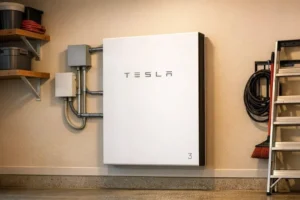
Many homeowners also pair solar systems with battery storage such as Tesla Powerwall or Enphase batteries to manage time-of-use rates from APS and SRP.
Call an Installer Today
With so many solar panel brands available, navigating the market alone can feel overwhelming.
Working with a reliable local installer gives you an advantage. Experienced Phoenix contractors understand which panels perform best in desert conditions and can recommend systems tailored to your home.
From better equipment pricing to smarter installation design, the right installer can make a major difference in your solar investment.
FAQ
Very little compared to most states. Heat is the primary concern, which is why temperature coefficients and efficiency ratings matter so much.
Yes. Solar panels create shade and reduce direct UV exposure, which can help extend the life of roofing materials.
N-type cells use phosphorus instead of boron in their silicon structure. This reduces light-induced degradation and improves durability.
Yes. Tier-1 panels come from established manufacturers with strong warranties and consistent quality control.
Dust accumulation can reduce output by 5 to 20 percent if panels are not cleaned periodically. Many installers recommend cleaning systems once or twice per year.
Bifacial panels can increase production by capturing reflected light from rooftops or the ground. In bright desert environments they can boost output significantly.
Yes. First Solar is headquartered in Arizona and specializes in thin-film technology that performs well in high temperatures.